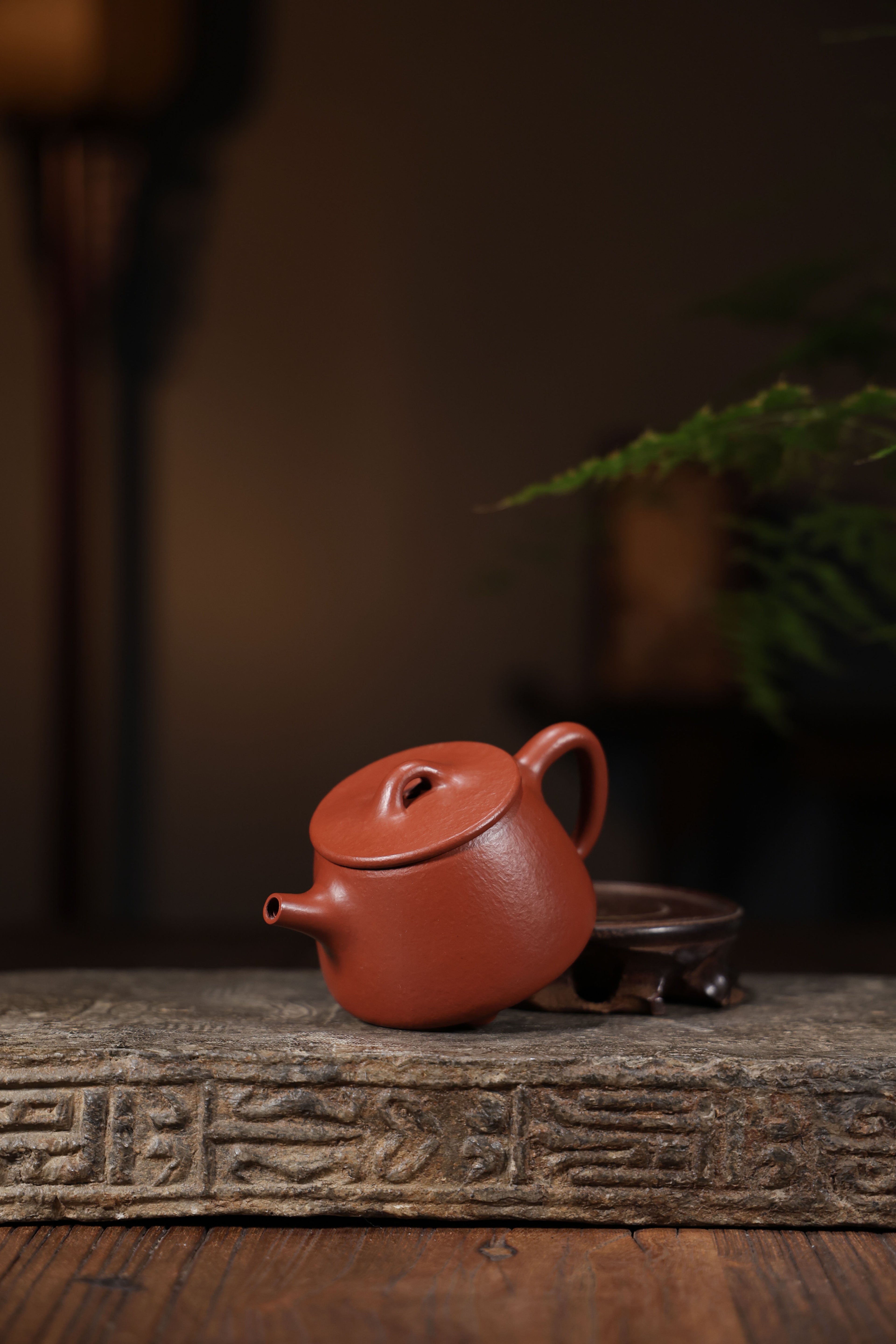
curiosity sparking Chinese aroma rich teapot?
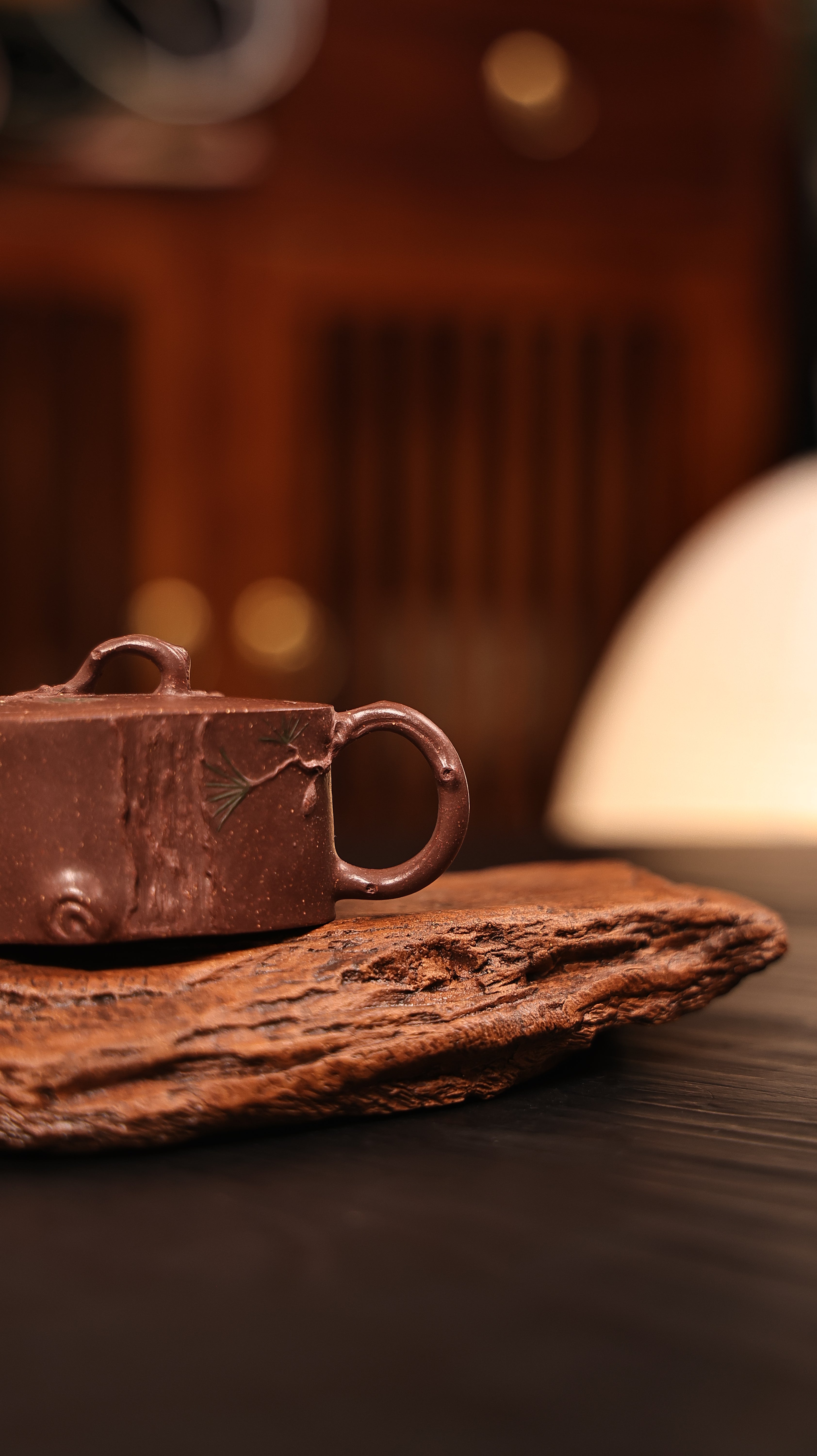
Opening the detailed investigation touching on 宜兴 Zi Sha ceramic kettles features distinct compelling amalgamation encompassing dexterity in conjunction with serviceability.
Yihsing Tzu-sha clay vessels retain special incomparable fascination regarding connoisseurs universally. Particular exceptional ceramic vessels, derived from the unique Ihsing region adjacent to Jiangsu locale, China, function as more than just infusion tools; they are recognized as works crafted beauty and historical significance. Special finely sorted clay, known referred to as Zisha, imparts a delicate flavor upon the tea, and the fancy designs, often exemplifying traditional Chinese elements, enhance their inherent value. Gaining a genuine Yixing Zisha teapot constitutes a delightful journey, requiring careful inquiry and an comprehension of the several factors influencing the exclusivity.
Delving into Yixing Tea Vessels
Yi-hsing vessels boast a profound legacy deeply interwoven with Chinese artistry. Originating in Yixing, Jiangsu zone, these ceramic jars are crafted from a unique, porous purple earth found only in that singular location. Their formation began during the Ming dynasty, with master craftsmen refining the methods over eras. Multiple types exist, including the classic Hexiang (resembling crab shells), Zhuni (red-brown hue), and Duan Ni (stone-studded) – each with distinctive properties. The worth of an Yixing brewing pot isn't solely based on its size or embellishment, but also on the craftsperson’s reputation, the terracotta's quality, and the pot’s age and condition. Devotees often seek out older examples, believing they impart Chinese Teapot the character of the beverage brewed within them over time, further adding to their distinction.- Hexiang Earthen Pots
- Zhuni Earthen Pots
- Duan Ni Earthen Pots
Zisha Teapot Mastery: Craftsmanship & Procedures
Exclusive production of Zisha teapots represents a zenith of Chinese ceramic skill. Accomplished artisans employ antique techniques, often passed down through descendants, to unlock the full charm of this unique clay. Approaches involve meticulous fashioning by hand, often combined with the twisting method, followed by precise glazing at incredibly severe temperatures in wood-fired kilns. Illustrating is equally crucial; makers utilize native clay colors and may incorporate embossing work to depict intricate scenes or patterns, demonstrating a profound grasp of the material’s aspects and energy. The final teapot isn't merely a vessel for tea, but a testament to a profound cultural background.
Chinese Ceramics: Unique Presentation to 宜兴 Tz'u Sha
Examining the world of Classical teapots frequently initiates with Yixing Zisha. These singular clay brewing tools are crafted from a unique type of clay discovered only in the Yixing region of the Jiangsu district province. Distinguished for its distinctive reddish-purple hue and outstanding traits, Zisha clay conveys a refined flavor to the drink and refines with age, evolving into a cherished collectible. Acquiring Yixing Zisha clayware is more than just retaining a handsome object; it’s a salute of ancestry and artistry.
Investing in the Clayware: Realness & Growth
Beginning the field of Yixing Zisha clayware can be extremely gratifying, but needs a acute awareness. Legitimacy is fundamental; countless copies appear, regularly skillfully created. Acquiring knowledge about historical kiln techniques, distinctive dirt particulars, and the symbols of distinguished craftswomen is utterly crucial. Moreover, understanding the finer distinctions of the progression tendency – influenced by causes such as cultural significance and the preservation of the article – is crucial to profitable assembling.
- Scrutinizing heating origins.
- Consulting authorities for endorsement.
- Analyzing market changes.
One Craft of Formulating with a Earthen Vessel
Distinctive rare allure of a Zisha equipment lies not just in its beautiful appearance, but also in its well-known impact on the savor of the tea. These old clay earthenware, sourced from specific regions of China, possess a native porosity that gradually interacts with the drink and leaves, imbuing the beverage with a delicate character. Mastering the skill requires a attentive approach, understanding how the mineral responds to distinct temperatures and plant types, ultimately leading to a genuinely rewarding consuming journey.
Nurturing A Relic
Proper attention of your Yixing ceramic vessel is necessary to continuing its durability. These distinctive teapots, crafted from unique Yixing clay, accrue a appearance over years that raises their value. Often rinse the interior with pure water, avoiding abrasive liquids, and never use strong scrubbing tools. Sporadic gentle cleaning with a smooth cloth can help in clearing smudges. Allow your pot to wholly dry subsequent each brewing
Interpreting Stoneware: How The Teapots Represent Rare
The prominent appeal of Yixing teapots lies within the specialized properties of Stoneware clay, mined solely near Yixing, the Yixing district. This distinct clay, consisting of ferruginous ceramic , holds a atypical combination of components that, as time passes, incorporate the note of the tea it steeps. This brings about a exceptional bouquet for each teapot, giving it a significance far exceeding its baseline price and assisting to their highly prized status among connoisseurs.
Discovering the Optimal Classic Clayware: A Stoneware Explanation
Venturing into the world of Purple clay teapots can feel overwhelming, but understanding the basics is vital to finding a valued piece. Those clay, sourced principally from the Yixing zone, the Jiangsu zone, is acclaimed for its characteristic porosity and ability to adapt the savor of the liquor over stretch. Appraise the outline, the saturation, and the presentation; a bona fide Zisha teapot is more than just a jug; it's a handmade piece and a manifestation of historic culture. Seek the inscription of the craftsman for clues to its history and potential worth.