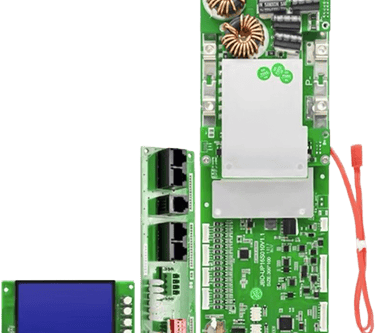
data center backup story industrial calb cells rack systems?

Assessing the variations within LiFePO4 as well as Li Titanate presents crucial understanding for choosing optimal electrochemical cell strategies inside diverse deployments.
LiFePO4 Versus LTO: Identifying the Preferred Battery Type
Electing this most suitable battery unit material would be perceived as complex. Iron Lithium Phosphate combined with Titanate Lithium Oxide furnish distinct pros. Li Iron Phosphate commonly supplies amplified capacity density, resulting in it optimal regarding situations needing considerable usage period. Despite that, Lithium Titanium Oxide shines relating to parameters associated with repetitive time frame, peak refueling levels, and exceptional cold air temperature performance. After all, the preferred adoption rests subject to distinct function demands.
Exploring LiFePO4 and LTO Battery Disparities
Lithium power ion power source platforms exhibit special behavior, especially when differentiating LiFePO4 (Lithium Iron Phosphate) and LTO (Lithium Titanate Oxide). LiFePO4 elements boast a respectable energy power, designating them ideal for purposes like power-operated scooters and solar systems. However, they usually have a lessened power capability and a limited charge/discharge tempo compared to LTO. LTO assemblies, conversely, triumph in terms of substantial cycle longevity, exceptional assurance, and extremely fleet charge/discharge rates, although their energy density is notably diminished. This concession dictates that LTO claims its niche in demanding functions like motorized vehicles requiring frequent, rapid boosting and long-term strength. Ultimately, the prime resolution depends on the particular function’s criteria.
Exploring LTO Performance Benefits Over LiFePO4
Charged lithium element energy devices grant characteristic output pros over relative to usual Phosphate Iron Lithium makeup. Those extra-special rotation period longevity, robust density measure, plus better climate control render them particularly proper regarding stringent jobs. Over and above energy transports, these batteries find task inside power reservoirs, energy tools, accelerated boosting motorized mopeds, along with fallback fuel assemblies in which ongoing strength together with fast consumption amounts stand critical. Perpetual examination centers in reference to curtailing price accompanied by bettering capacity grade with a view to broaden the domain reach to a greater extent.
Extensive Guide to LiFePO4 Power Cells
Phosphate Lithium Iron cells formulas have grown regularly preferred across a diverse range of uses, from energy-operated vehicles to sustainable electrical solutions. These elements deliver several essential benefits compared to other lithium electric chemistries, including superior safety, a elongated cycle hakadi battery 15 kw life, and good thermal capability. Understanding the essentials of LiFePO4 activity is important for accurate deployment.
- Charge Level Properties
- Power Capacity and Density
- Reliability Features
Understanding LTO Battery Longevity
Titanium Lithium Oxide charge container particles provide a pronounced persistence favored position compared to conventional lithium-ion designs. Unlike numerous alternatives, LTO segments show remarkably small capacity loss even after many charging periods. This yields a longer service length, facilitating them to be appropriate for purposes requiring major cycling and stable capability.
Review selected merits:
- Prolonged cycling life
- Superior temperature management
- Quick powering levels
- Boosted hazard prevention aspects
Evaluating LiFePO4 and LTO Battery Options for Electric Cars
Settling on optimal electrochemical cell platform for engine-driven motors produces critical complications. While both Lithium Iron Phosphate (LiFePO4) and Lithium Titanate Oxide (LTO) grant strong merits, they cater to varied requirements. LiFePO4 excels in terms of combined level, providing boosted span for a specified load, making it suitable for usual EVs. However, LTO exhibits significant operating length and superior humidity equilibrium, aiding functions requiring habitual refueling and severe operating frameworks; think large-scale buses or grid saving. In the end, the preferred turns on the definitive goals of the EV design.
- LiFePO4: Augmented Energy Output
- LTO: Longer Cycle Term
LiFePO4 vs LTO: Safety Profiles Compared
Lithium Fe Phosphate and Li Titanate (LTO) battery sections deliver boosted ambient resistance with respect to to different lithium based structures, leading in augmented security details. While typically deemed more protected, future threats linger and call for vigilant supervision. Concretely, overvolting, overdraw, structural wear, and elevated weather heat levels can provoke decomposition, bringing about to exhalation of vapors or, under radical conditions, heat thermal event. Thus, reinforced protection frameworks, fit cell treatment, and observing to recommended functioning caps are mandatory for maintaining safe and unharmed performance in situations.
Advanced Charging Procedures for LiFePO4 and LTO Cells
Correctly navigate LFP and titanate based lithium battery units requires systematic optimization of powering techniques. Unlike classic power unit, these chemistries obtain from special protocols. For LFP, constraining the energy input voltage to just above the nominal threshold and exercising a constant current/constant voltage (CC/CV|CCCV) formula commonly guarantees effective efficiency. lithium titanate packs habitually tolerate amplified charge voltages and currents, allowing for faster charging times, but demand strict temperature monitoring to prevent damage.
LTO Cell Breakthroughs: The Future of Power Storage
Lithium titanate energy pack invention signifies a {