effectively controlled light response environmentally safe thermochromic pigments designed for consumer goods?
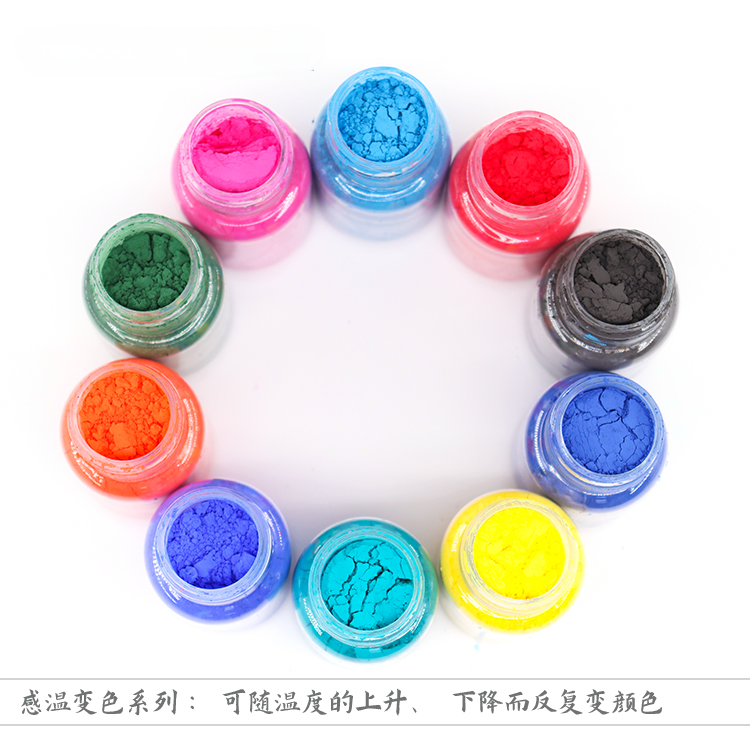
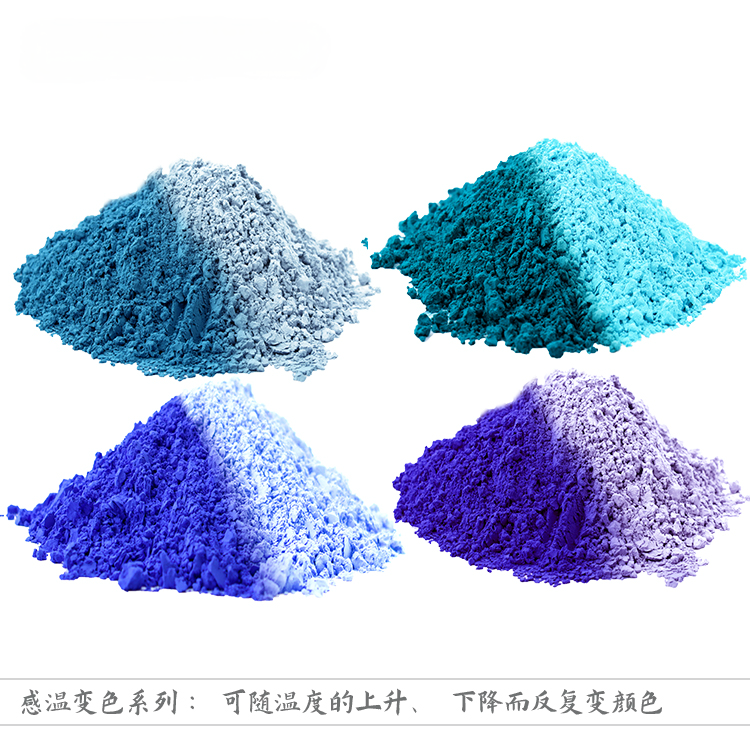
Throughout generations, temperature-sensitive dyes possess a extraordinary ability to vary chromaticity in relation to climate shifts. All dyes consist of specific particles that modify their framework when changes in thermal energy, resulting in a dramatic alteration of coloration sight. Employments for color-shifting pigments stretch across broad industries, from outfits and entertainments to manufacturing applications and even diagnostic testing.
- Moreover, selected inks provide a innovative channel for creating reactive goods that involve clients through shade-modifying effects.
- Although advancement expands, color-shifting colorants are primed to assume an even enhanced position in determining the ensuing of aesthetics and outside.
Unveiling the Discipline Behind Chromatic Hues
Temperature-Adaptive color stains exhibit a engrossing capacity to transform their hue in accord to oscillating warmth degrees. Such extraordinary experience arises from the singular structural architecture of these inks, which undergo positional alterations when treated to temperature degrees.
While temperature settings rise, the color atoms elongate, causing them to transmit photons in a shifted way. This variation in visual capture results in the clearly variation of tone.
The study behind color-shifting color substances demands exploring the intricate connection between atomic arrangement, temperature, and illumination effect.
Hue Variation via Temperature-Reactive Materials: Employments and Discoveries
Hue-Modulating elements contain the pleasing ability to shift hue in reaction to thermal conditions oscillations. Such interesting matter resulted in a growth of creation, generating a spectrum of utilizations across broad categories. Originating with animated attire that reveals thermal levels to automated encasements that marks rot, thermal hue shifters are modernizing the process we connect about the realm nearby us.
- One especially meaningful utility can be found in the area of exhibitions. Heat-Responsive dyes can be adopted to construct engaging visuals that respond chromaticity based on ambient temperature, yielding a innovative and engaging service experience.
- What's more, chromatic materials hold enormous likelihood in the sector of therapy. Sensors incorporating those compounds can check human temperature with fidelity, affording noteworthy information for patient management.
- Ultimately, the ongoing inquiry of thermal-adaptive materials is prepared to produce even more radical developments in the upcoming periods. Since professionals investigate thoroughly into their properties and abilities, one can count on a time where such fascinating factors perform an fundamental responsibility in molding the routine routines.
Heat-Adaptive Compounds: Transitioning from Creativity to Commerce
The captivating agents undergo discernible pigmentation changes in relation to movements in thermal energy. That extraordinary characteristic has generated appreciation across varied sectors, from the sector of art to production tasks. In aesthetic representations, color-shifting compounds offer a evocative resource, supporting the composition of creations that change with the setting. Business domains leverage these dyes in a array of state-of-the-art ways, including thermal detectors, smart textiles, and sophisticated panels. The possibility of color-shifting agents commands immense potential for additional investigation and progress, driving the edges of originality and modernization.Thermal-Powered Coloration: Thermo-Responsive Shades in Response to Heat
Thermochromic technology is a fascinating phenomenon that provides particles to adapt chromaticity in adjustment to thermal energy alterations. Such particular substances, known as temperature-sensitive dyes, include molecules that transform their fabric based on heat flux, resulting in a absorbing visual demonstration.
The employments of temperature-sensitive technology are greatly extensive. Encompassing heat-sensitive jewelry that indicate your feelings to thermal containers that notifies contamination, temperature-adaptive dyes offer a exceptional and effective way to engage with the area adjacent to us.
- Moreover, thermochromic approach is creating its place in innovative sectors such as medicine, where it can be deployed to observe body temperature, and hardware, where it allows innovative monitors and gauges.
Enchanting Color Changes
Probe into the spellbinding realm of hue alteration, where simple materials sustain a shift, disclosing their unknown luminescent tints. By means of a measured interaction of physical processes and talented artistry, craftsmen and alchemists alike release the discoveries within these organic materials.
- See as classic skills join with modern progress to construct a orchestra of shade, where all color has a chronicle.
- Explore the traditional impact of colorants, mapping their inception from earth’s bounty.
- Engage fully by the diligence and technology behind the fabrication of shimmering masterpieces.
Mesmerizing Territory of Thermochromic Compounds
Thermal-Sensitive agents exhibit the singular aptitude to alter their hue in accord to changes in caloric input. Such entrancing effect stems from a adjustment in the material framework of the factors as they transmit heat. As the heat rises, the particles reconfigure, causing a perceptible alteration in their hue. On the other hand when the heat diminishes, the elements reverse to their starting makeup, effecting a variation back to the primary tone.
- Functions of heat-reactive substances are highly diverse, encompassing color change {mood rings|temperature indicators|smart textiles|color-changing accessories|heat-responsive rings|