How can diatomite filter aid simplify multi-stage clarification in juice processing?
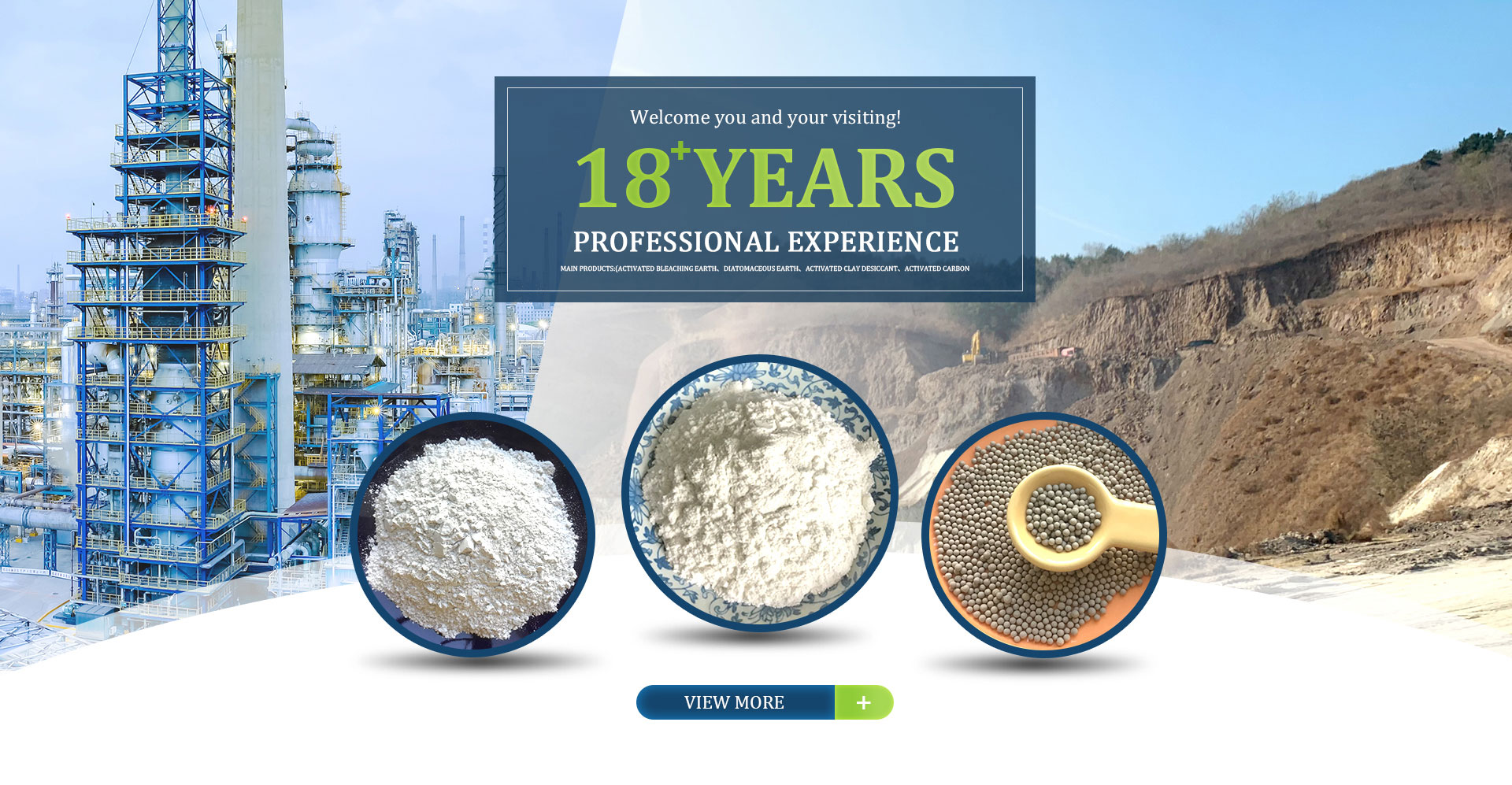
Initiatingthis filtering substance operates as optimal purifying compound regularly leveraged in various manufacturing operations, particularly for purification of refreshments. Generated from the fossilized remains of prehistoric microbes, it possesses a unique cellular framework that facilitates optimal conveying. The element executes by creating a subtle particulate screen on a strain apparatus, sequestering infinitesimal fragments while allowing diatomite filter aid the liquid to pass through. Choosing the right type of sedimentary filtration aid is necessary for highest yield.
Mobilizing Filtered Sediment Substance for Cleansing
Siliceous sediment, composed of the fossilized remains of microscopic algae called diatoms, presents a novel solution for clarification various inputs. Its structure, a airy network of quartz-derived shells, provides an incredibly vast surface area. This allows for highly thorough removal of sediments from aqueous systems. Implementations range from water treatment and liquid refreshment fabrication to aquatic filtration and even plantation operations. Advantages include its non-synthetic origin, financial prudence compared to various synthetic alternatives, and its ability to profoundly hold a wide assortment of impurities.
- Offers superior element removal.
- Remains a sustainable choice.
- Compatible for multiple areas.
Enhanced Bleaching Earth: Attributes and Uses
Treated bleaching material is a style of unprocessed bentonite that has undergone particular processing to elevate its adsorptive abilities. This procedure typically involves biochemical treatment, resulting in a intensified configuration with a massive surface. Consequently, it exhibits notable power to isolate impurities from a extensive range of fluids, finding fundamental roles in the clearance of fats, fatty matter, and other organic elements. Alongside, its safe trait and cost-effectiveness contribute to its rising recognition in various sectors.
Diatomite vs. Other Filter Aids: Which is Best?
Determining the best separation aid for a specific process can be tricky. While bentonite and other replacements exist, diatomite often presents a strong case for its dominance. Compared with these rivals, diatomite usually offers superior lucidity and a stronger rate of filtering impurities. However, that prime choice ultimately is determined on parameters such as pricing, process requirements, and preferred yield rank.
Understanding The Mechanism of Diatomite Filtration
Diatomite powder sometimes referred to as microalgal sediment filtration clarification leverages the unique exclusive structure of aforementioned microscopic negligible algae samples. These marked diatoms, upon as soon as death, form fabricate a sedimentary calcareous rock aggregate composed manufactured of intricately meticulously porous mesh-like silica silicate shells. This named porous meshed network structure provides an incredibly astonishingly large coverage for capturing particulate microscopical matter detritus from inside liquids media, achieving allowing highly thorough or fine filtration or separation.
Improving Decolorizing Capability of Activated Material
Improving this purifying approach employing treated earth presents a viable solution for elevating output. Such organic material, derived from sediment, possesses exceptional binding potentials that equip it to proficiently absorb tinted molecules from cloths, thereby reducing utilization of harsh industrial oxidizers and advancing a eco-friendly result.
Studying Filter Aid Quality Types
Identifying the fitting filtration powder rank is necessary for effective purification processes. Filter aid grades are arranged by their screen range, commonly expressed in fractional sizes. More delicate grades, like FF or Filter-X, offer exceptional limpidity and are suited for soft liquids, while coarser grades, such as Perlite or Celite 500, supply a better filtrate velocity for less tasks. Understanding these changes will aid you to increase your clarification benefits and reduce payments tied with the operation.
Environmentally Friendly Sourcing of Diatomite Earth
The swelling demand for diatomaceous earth necessitates a attention on environmentally safe sourcing practices. Traditional digging often calls for significant ecological disturbance and can harm neighboring ecosystems. Currently, forward-thinking firms are pursuing alternatives, such as reclamation of old sites, ensuring diminished disruption and maintaining biodiversity habitats. Furthermore, openness in the logistics is progressing crucial, allowing consumers to select informed resolutions and sponsor environmentally wise operations. Therefore, responsible administration of porous earth earth materials is vital for long-term availability and limited environmental impact.
- Curtailed land alteration.
- Rejuvenation of collection sites.
- Improved traceability in the distribution.
Treated Lightening Substance: A Experimental Insight
Assessing a theoretical lens, improved clearing deposit represents a exclusive class of aluminosilicate minerals. Initially, bentonite clay is physically modified via processing – typically involving acid treatment – to dramatically enhance its affinitive qualities. The specific enrichment creates a significant coating with a significant number of low pH patches, facilitating the attachment of dark substances from solutions. The mechanism fundamentally involves intermolecular connections and non-covalent effects, leading to a clearer performance.