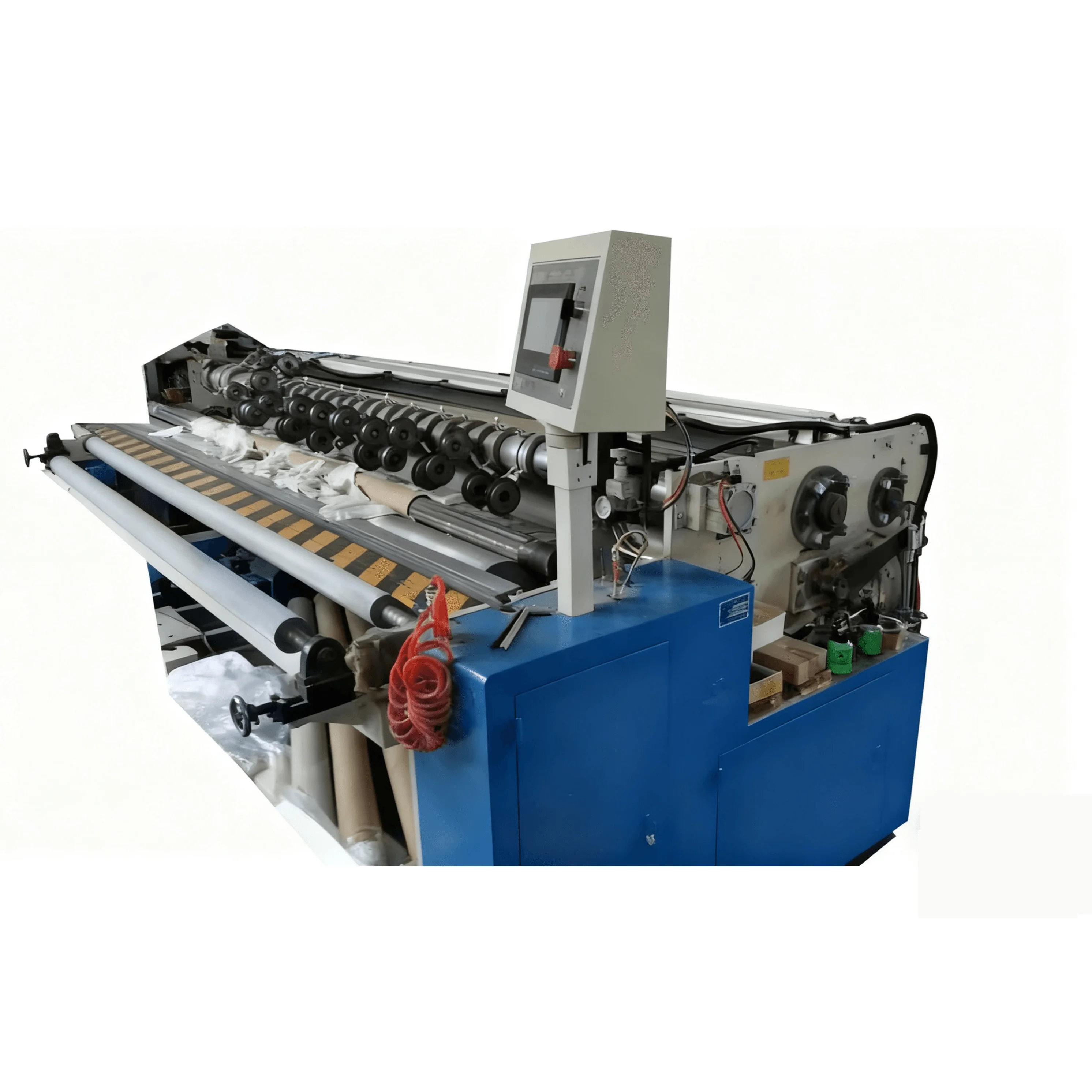
How do you estimate installation costs for a imported Second Hand Toilet Paper Machine?
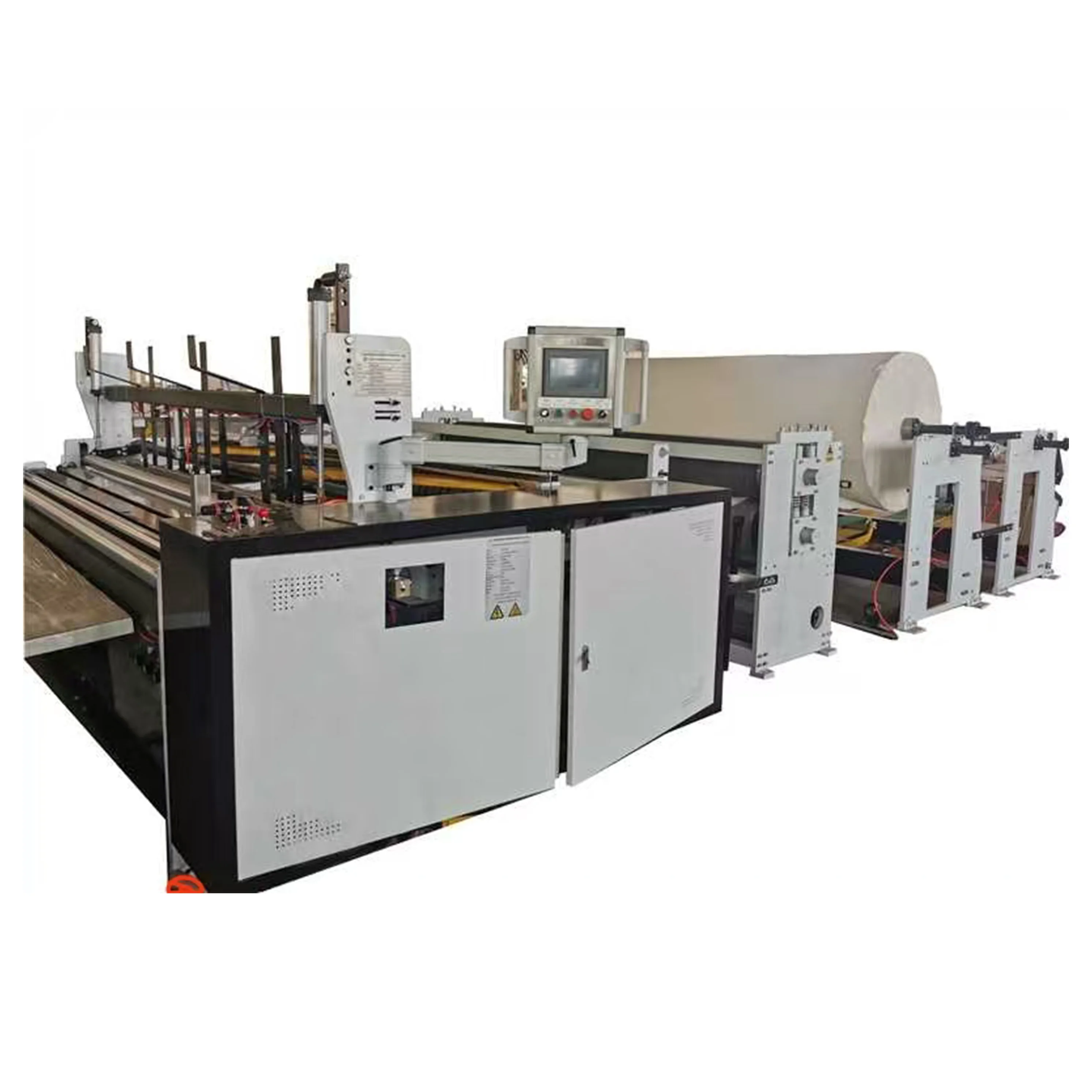
Thinking about buying previously owned absorbent sheet instrument? It is a savvy choice for many ventures attempting to cut expenses. On the other hand, are numerous essential elements to review before you agree on a deal. This explanation will expose crucial topics including scrutinizing apparatus state, understanding those past, and negotiating a affordable charge.
The Sheet Material Production Instrument: An Elaborate Outline
Beginning with lightweight sheet assembly device handling can seem complex, but this becomes essential premise is surprisingly easy. Those explanation details the critical sections of a facial fabric making apparatus, describing all aspects concerning preliminary preparation to routine care. We'll consider the different categories of instruments accessible and extend guidance regarding the top practices for attaining uniform pulp production. At last, those resource seeks to support apprentices to understand the field of thin sheeting mechanism innovation.
Fabricating Lightweight Sheeting: – Starting with Origin to Delicate Culmination
Curious about understanding how to create your own absorbent tissue? The system might sound complex, but it's surprisingly straightforward with the appropriate apparatus. You'll launch by creating a fragile blend from salvaged shreds, usually cellulose-rich product. This means then laid out out a traveling strip, where moisture is gradually drained through evaporating. Finally, the finished sheet is carefully folded and rolled into the familiar disposable layout you comprehend. With skill, you can reach a elegant and efficient article.
Exploring used Facial Machine: Charge Lowering & Details to Pay Attention to Pertaining to
Buying a second-hand tissue machine can result in substantial capital cuts compared to acquiring a fresh one. Although, it's imperative to scrupulously evaluate the potential mechanism before concluding a transaction. Important factors to reflect on include the mechanism's state, preceding employment, aggregate physical soundness, and supposing backup parts are immediately accessible. Don't missing on a certified scrutiny to warrant consistent capability and limit eventual upkeep expenses.
Getting some Second Hand Sheet Apparatus: Finding Worth & Reliability
Venturing into the market for a reconditioned tissue production line can be certain strategic decision to diminish capital costs. However, ascertaining operational efficiency and prolonged reliability is essential. Systematic inspection of the equipment is certain must, paying close regard to that condition of barrels, curing regions, and total mechanical quality. Additionally, probing the tool's provenance – including preceding ownership and care archives – is crucial. Consider seeking advice from seasoned jumbo roll slitter machine specialists for certain professional inspection and be equipped to adjust charge properly.
- Inspect drums for deterioration.
- Determine heating functionality.
- Assess preservation record.
- Ask for trained insights.
Facial Tissue Making Apparatus Options: State-of-the-art vs. Employed
Deciding between a state-of-the-art and a second-hand tissue paper equipment is a critical selection for any business entering or expanding in the tissue sector. Fresh devices offer cutting-edge technology, augmented efficiency, slashed maintenance budgets, and a full warranty. However, they also come with a greater beginning investment. By contrast, previously owned systems present a feasible possibility, allowing businesses to start production with smaller capital. Careful evaluation of the resources, manufacturing rate, and projected aims is necessary to arrive at the best choice.
- Benefits of a modern device
- Drawbacks of a fresh mechanism
- Strengths of a employed instrument
- Limitations of a reconditioned apparatus
Toilet Paper Production: A Step-by-Step Guide to Equipment Operation
The process of tissue paper involves several segments on a complex tool. Initially, enormous rolls of pulp – typically made from salvaged wood fibers – are mounted onto the feed section. Later, the paper shifts through a series of curing rollers, thermally treated cylinders, and cooled drums. Those components function to minimize the moisture degree and define the desired density and pliability. A critical factor is the corrugating process, where a knife trims a thin layer of paper, creating furrows that contribute to the final creation's feel. Conclusively, the produced tissue paper is rolled into parent rolls, then sectioned into smaller, packaged rolls or sheets for boxing.
- First Pulp loading
- Baking and reducing aqueous content
- Surface Treatment for pliability
- End roll spooling and cutting
Authoritative Guide to Used Tissue Paper Machines for Small Businesses
Investigating some possibility for any emerging business? Used tissue paper apparatus can provide a exceptionally budget-friendly method to establishing yourself in the disposable market. The guide strives to detail comprehensive data – from finding solid dealers and recognizing machine models to overcoming maintenance and probable hindrances. Gain knowledge how anyone can boost our return while adopting clean production techniques.
Reconditioning Facial Apparatus: Maintenance & Complications on Reconditioned Machines
Working with vintage tissue paper apparatus can present noteworthy difficulties. Consistent preservation is absolutely important to confirm solid performance. Common faults often derive from worn bands, deteriorated mechanical modules, or plugged exhaust lines. Proper error identification involves diligently scrutinizing each part and changing broken units. Further, oiling of rotating assemblies and routine washing of circulation pathways are required to mitigating expected interruptions. Consider advising with a skilled operator for challenging restorations or considerable refurbishments.