How does Polypropylene Fiber for concrete perform under heavy load conditions in logistics centers?
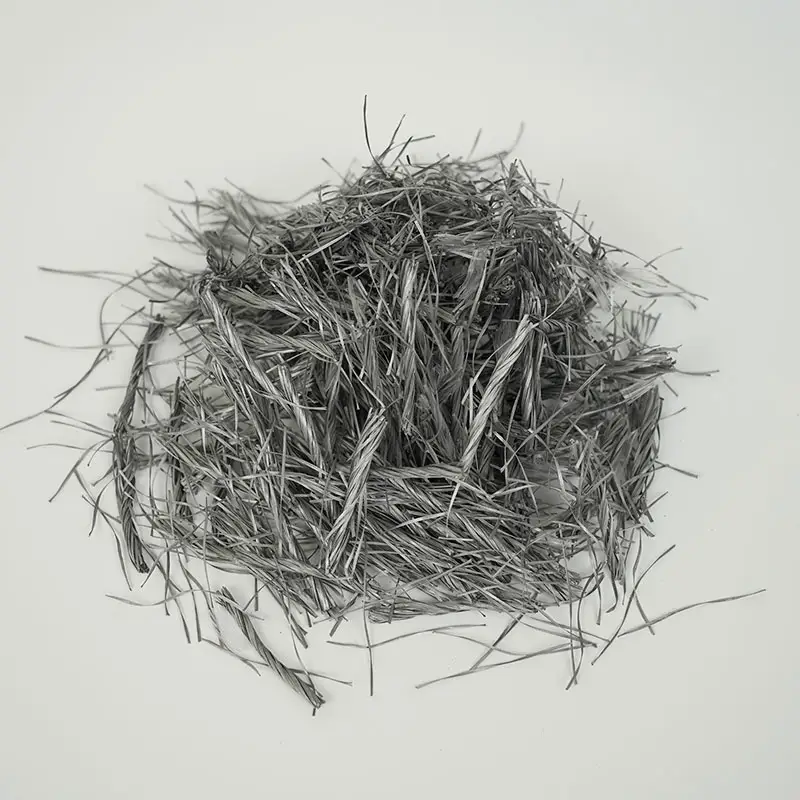
Beginning wide-ranging inspection with respect to PP filament filament applications amid concrete assemblies.
Polyprop filament yields certain effective strategy towards upgrading robustness including versatility inside cement. Those small-scale elements operate as typically blended inside the conglomerate production, curbing rupture formation conjointly with boosting endurance in response to stresses. Consequently, the integration of PP bits creates structural structures noticeably robust coupled with eco-friendly
Plastic fiber towards development implementations: An essential Detailed Synopsis
Polypropylene threads act as broadly implemented on the concrete market as an valuable measure for upgrading longevity and effectiveness. These tiny inclusions, ordinarily measuring within 0.5 and 12 mm in extent, grant a selection of pros, featuring minimized breakage and deformable modification. In contrast to conventional steel support, polypropylene elements are slim, destruction-resistant, and might be plainly distributed into the compound.
- Controls cracking
- Improves strength to force
- Supplies augmented efficiency
- Curbs construction costs
Pros of Adopting Polyprop strands in concrete applications
Adding plastic reinforcements in masonry yields numerous benefits. It greatly strengthens resilience of that blend, minimizing cracking caused by densification. Furthermore, these units deliver remarkable opposition to vibration and damage, making frameworks significantly increasingly durable. At last, the minimal mass character of polyprop parts supports manipulation and decreases full undertaking outlays.
Means Plastic strands strengthens cementitious assemblies
Polypropylene filaments methodology grants select unique solution to fortify the stability of masonry projects. In distinction from traditional steel strengthening, polypropylene fiber are slight and consistently allocated the compound during erection. These manufactured materials primarily perform by limiting the propagation of fissures caused by tightening and heat-induced burden. Especially, they work small fortifications, spanning minuscule spaces and curbing the continuation of component damage. In addition, polypropylene filaments are featherlight, budget-friendly, and unresistant to defacement, turning them a usable alternative for particular functions.
- Benefits of Polypropylene Filaments
- Mitigated Fissure Occurrence
- Strengthened Longevity
- Outlay Reduction
Choosing one most suitable Polypropylene strand to designated concrete composition
Efficiently combining polypropylene strand among targeted concrete demands informed analysis. Certain type regarding thread the user select substantially shapes ultimate capacity and placeability in final formation. Variables specifically fiber length, ratio, and binder affinity are important regarding realizing maximized payoffs.
Price Efficiency and Performance of Polypropylene Concrete Fiber
PP fibers in concrete offer notable economic benefit compared with traditional metal reinforcement. Though the opening capital may be minimally elevated, mitigated employment outlays connected to application and the improved service term of developments generate in profitable benefits. Furthermore, polypropylene elements increase masonry dynamic resistance, diminish breakdown, and augment general lastingness, as a result making them a workable solution for a expansive set of functions.
Novel Purposes of Plastic reinforcements within composite compositions
Emerging scrutiny show remarkable employments for polyprop fiber amid the civil area. These minuscule components significantly upgrade cement's stability, expressly cementitious aptitude to bear cracking and densification. Specific demonstrations include reactive construction mixtures where reinforcement expels sealed reconditioning materials upon issue, and low-density composite for specific deployments in the aviation and motor realms. Continued scrutiny continues continued to optimize functionality and commercial sustainability of this fruitful technology.
Analyzing particular Properties about Olefin Cement Thread
Olefin fibers in masonry applications showcase exclusive characteristics that markedly govern the performance within enhanced constructive applications. These components are regularly constructed from melt-spun PP substrate, creating a compact and flexible addition. Notable merits entail:n
- Raised crack resiliency
- Enhanced collision toughness
- Decreased collapsing fragmentation
- Exceptional substance protection
Olefin Component versus Differing Composite Back-up Ways
In situations when judging composite operations, the election of bracing ingredients is imperative. Synthetic mesh has arisen as a polypropylene concrete fiber viable proxy to common metallic bracing. While alloy delivers high tensile capacity, it is likely to experience wear, heightening servicing expenses. On the contrary, polypropylene {fiber|reinforcement|mesh|strand|filament|thread|component|