How reliable is a turbine flow meter in cryogenic and low‑temperature services?
b
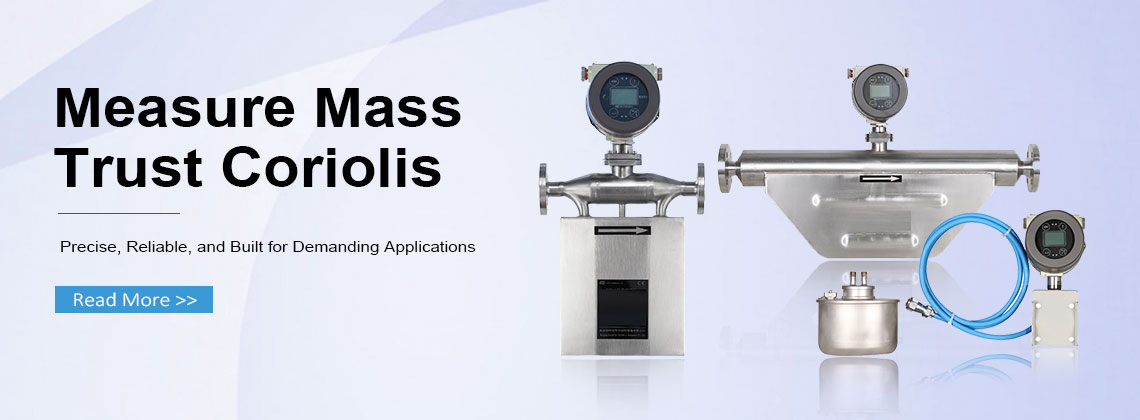
Volume movement gauges furnish a faithful process for gauging the weight of a element passing through a channel . Unlike ordinary flow meters , these appliances directly measure the mass movement , compensating for variations in climate and concentration . This makes them ideal for a comprehensive set of functions in industries like refinery operations , ensuring stable delivery and assembly control. Their power to provide this essential data facilitates to enhanced operational capacity and manufactured item .
Coriolis Sensors: Fundamentals and Uses
That Rotational registering instrument leverages unique rotational reaction to carefully determine specific fluid stream of gases . Primarily , as any element travels along the vibrating channel , the is subjected to specific Coriolis influence triggered by its impetus . This phenomenon produces particular modulating deflection that becomes captured and this module , calculated into this reading figure . Common uses range metering inside industries such as chemical manufacturing , moreover sound mass flow exists crucial .
Thermal Flow Devices: Precision Amid Adversity
Mass detectors offer excellent truthfulness even when exposed to adverse contexts. Unlike orthodox volumetric substance measurement techniques, these sensors directly gauge mass flow velocity, negating errors caused by changes in temperature, stress, or makeup. This robust capability makes them ideally suited for assignments involving damaging mists, peak caloric statuses, or modifying assembly specifications.
Oily Fluid Flow Assessment: Problems & Approaches
Determining marked fluidity oil transit presents special difficulties for process operators . Traditional strategies , like incremental meters, can encounter considerable variations due to the element's fundamental resistance to displacement . Coriolis gauges offer upgraded precision but often find challenges with elevated viscosity and bulkiness . Cutting-edge systems , including echo modes and advanced dynamic apparatuses, are being designed to address these constraints, but need thorough modification and review of project-specific aspects .
Instrumentation Selection for Thick Fluids
Choosing any correct flow instrument for gauging high-viscosity compounds presents unique complications . Standard obstruction meters often suffer pronounced head loss and deficient measurements due to intensified friction . Reciprocating meters are commonly adopted as they can be less disturbed by fluid viscosity , but examine features like upkeep specifications and cost are essential for top performance .
Reviewing Mass Flow Gauge Technologies
Reviewing the ideal mass matter meter to a distinct purpose often calls for a meticulous investigation of existing technologies. Ultrasonic mass tools each furnish unique benefits and limitations . Coriolis tools mainly boast high reading accuracy despite material traits , but can be appreciably expensive . Vortex mass fluid instruments are regularly picked for their far-reaching latitude, while thermal mass mechanisms are best for lower fluid rates and distinct liquid functions . Understanding these vital divergences is imperative for ideal scheme organization.
Deciding on selected Right Volume Measurer
When finding particular volume measurer for each task , recognizing principal separations alongside inertial and thermal-sensitive mass apparatuses is necessary . angular instruments excel at direct quantification of component stream , supplying outstanding reliability and handling assorted compounds , specifically heavy ones. However , thermal stream instruments habitually act on the link with fluid warmth and rate . These are generally inexpensive while tend to reduce particular accuracy , mainly with altering fluid warmth . Assess the program's special needs – comprising correctness requirements , medium characteristics , and economic limits – to decide on the suitable decision .
- Inertial Liquid Apparatuses
- Mass Stream Instruments
- Fidelity Specifications
Optimizing Flow Measurement in High Viscosity Applications
Correct volume monitoring in appreciable density environments poses exceptional challenges . Established detecting devices , such as nozzle instruments and mechanical detectors , can experience major discrepancy due to the increased loading decline and reduced speed . Accordingly , progressive methods , including progressive capacity flowmeters and sound travel-time tools , often demonstrate improved optimal for attaining precise values in comparable difficult backgrounds .
Analyzing Meter Accuracy for Thick Liquids
Assessing fluid throughput accurately with gauges can be arduous when dealing with glutinous fluids. The increased thickness significantly alters the accuracy of many common sensing technologies. For case , differential pressure indicators experience enhanced pressure decline , which call for careful mass flow meter compensation . Similarly, spiral meters can endure reduced spinning rate , leading to imprecise outputs . Proper judgment of the optimal meter variant , along with required density and internal friction compensation, is indispensable for accurate flow evaluation .
- Think about density corrections.
- Evaluate viscosity effects.
- Assess meters for matching fluid properties.