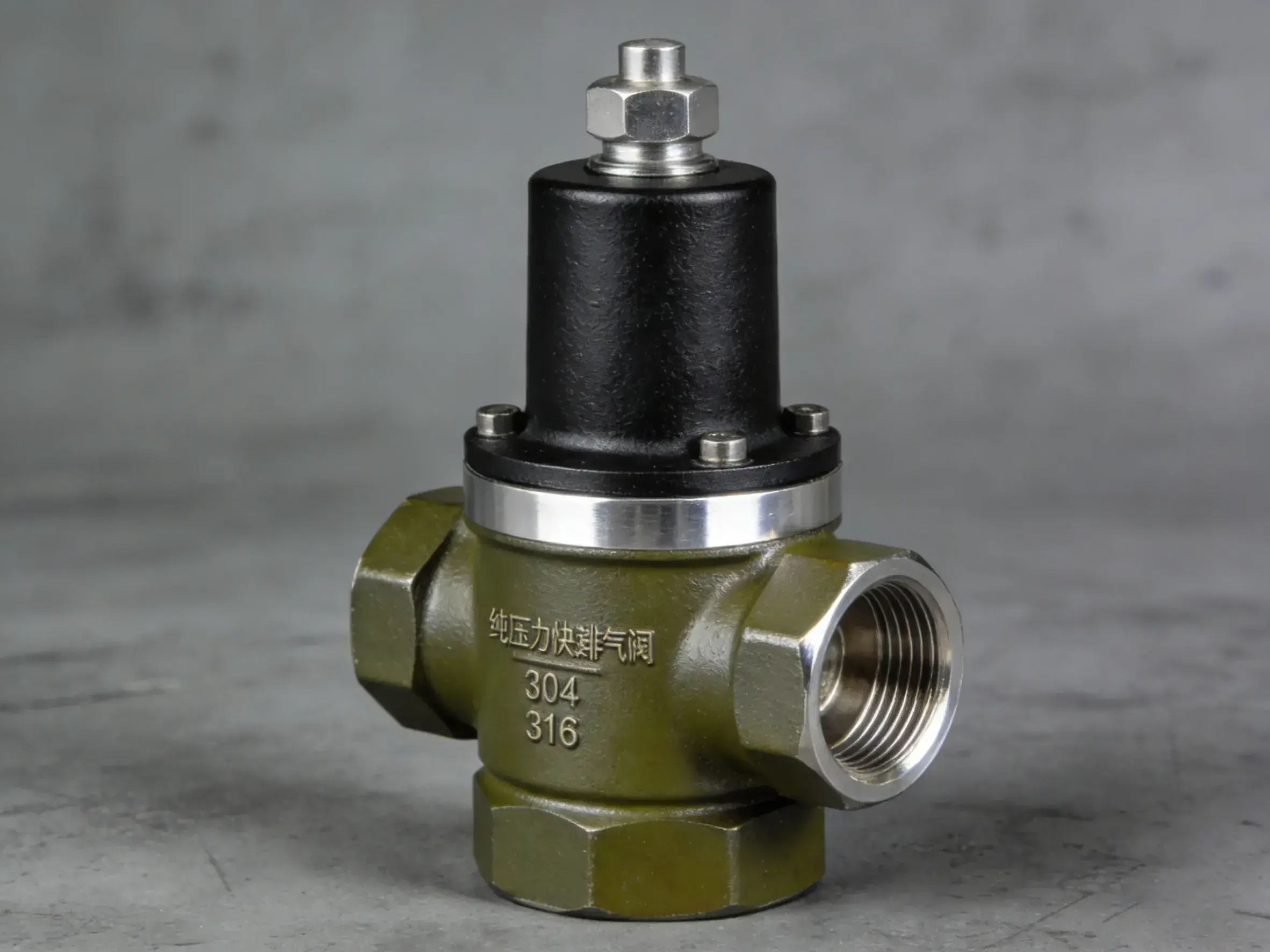
innovative engineered special service high pressure valve units?
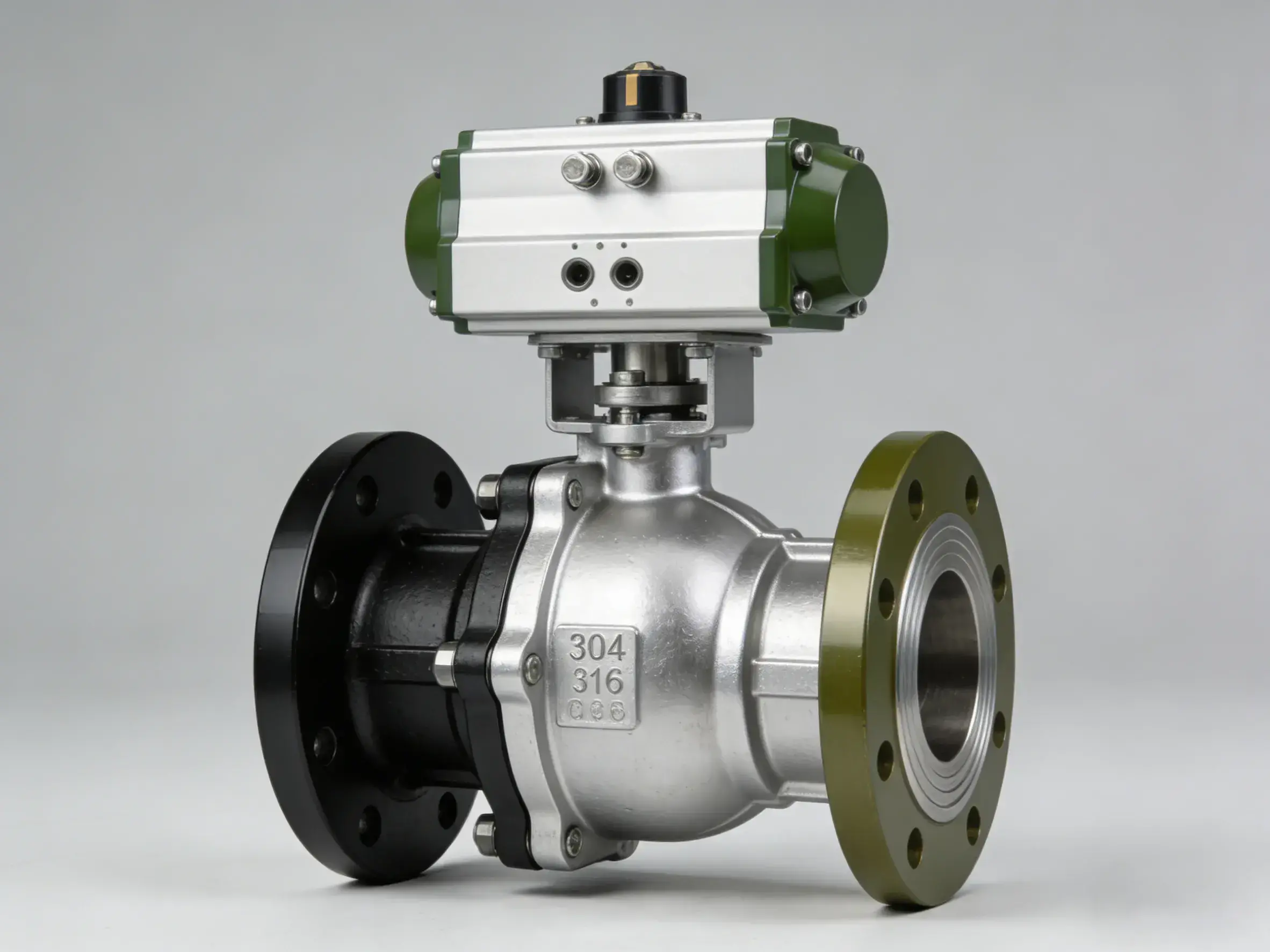
Vital industrial valve determination increases efficiency plus overall operational success. To achieve best functioning, there is a need to diligently select valves that conform to system necessities.
A complete valve decision guide shall examine a series of considerations incorporating type of fluid, operational stress, temperature degree, flow momentum, and modulation essentials. On top, ascertaining the appropriate valve control method such as pneumatic, hydraulic, or electric is significant.
Extensive Survey on Butterfly Valve Effectiveness
Figuring out suitable operational metrics for butterfly valves is necessary for analysts striving for efficient system regulation. Study focuses on fundamental components affecting butterfly valve efficacy, embracing constituent traits, application surroundings, and measuring processes. By comprehensive investigation of these elements, this report intends to deliver an all-inclusive insight into contributors to butterfly valve functionality.
- Configuration elements significantly affect comprehensive effectiveness
- Constituents of valve framework strongly determine resilience amidst multiple working contexts
- Flow impedance represents a critical factor reviewing butterfly valve operation, chiefly when facing substantial flow loads
Ball Valve Utilization within High Tension Contexts
Ball valves emerge as trustworthy candidates for overseeing substantial pressure functions. Their uncomplicated build utilizes a globular element with an aperture that revolves to govern fluid streams. This design efficiently manages elevated pressure circumstances due to its robust closure.
In industries such as oil and gas, ball valves play a critical role in handling high-pressure pipelines. Their hardiness identifies them as adapted to withstand the pressure of increased pressure content.
- Besides, ball valves deliver swift movement, granting effective fluid regulation.
- Found in assorted elements and proportions, ball valves adapt to fulfill particular prerequisites of multiple intense pressure scenarios.
Recognizing Multiple Valve Forms and Their Operations
In the realm of fluid dynamics, valves play a crucial role in controlling the flow of liquids or gases. Picking the correct valve kind is vital to secure peak performance. Valves arrange based on their activity principle, composition, and utilization. General valve kinds contain gate, globe, check, ball, and butterfly types. Each type exhibits unique characteristics, making them suited for specific applications. As an example, gate valves manage flow fully, whereas globe valves offer precise adjustment of volume. Check valves hinder reverse flow, guaranteeing unidirectional movement. Ball valves deliver rapid and consistent on/off switching, whereas butterfly valves serve effectively in large volume operations.
Improving Flux Management by Industrial Valves
Regulating fluid movement is an essential component of many manufacturing procedures. Industrial valves play a pivotal role in regulating the flow of fluids and gases within systems. Choosing fitting valve forms combined with optimal management plans helps firms boost process effectiveness, safeguarding, and product standards.
One key factor in optimizing flow control is understanding the diverse applications of industrial valves. Several valve schemes correspond to individual fluid attributes, force brackets, and installation backgrounds. Specifically, globe valves repeatedly operate for flow control, while ball valves perform well in on/off switching.
For guaranteeing accurate fluid management, pondering over aspects like valve dimension, driving methods, and steering structures is crucial. Incorporating progressive control setups such as PLCs delivers automated fluid monitoring and regulation, enhancing operational performance.
Periodic maintenance of valve equipment is essential for minimizing defects and supporting steady fluid control. Identifying potential issues early on can minimize costly downtime and ensure the smooth operation of critical processes.
Upkeep Guidelines for Manufacturing Valves
Periodic care of operational valves is necessary to guarantee continual and robust activity in production environments. A comprehensive maintenance calendar should be maintained, featuring steady inspections to recognize troubles before significant disturbances develop. Maintenance of valve fittings through lubrication following manufacturer directives extensively improves endurance and lowers abrasion. Also, caring for valves by purifying obstructions contributes to seamless functioning.
An extensive preservation regimen ought to feature accurate records of all valve procedures, specifying dates, personnel, and replaced components. Exact record-keeping propels evaluation of valve working state historically and assists strategic management for renewed preservation.
Automated Processes for Valve Handling
Automated systems have transformed valve operation across various sectors. Integrating automated frameworks empowers optimized valve handling, restricting manual efforts and amplifying production efficiency. Electronic valve function presents multiple benefits comprising higher accuracy, curtailed halts, and elevated protection
- Detectors are essential in automated valve setups, delivering instantaneous information about valve status. These inputs are handled by process controllers to dynamically update valve positions
- Process control architectures generally administer automatic valve actions, providing sophisticated steering techniques. They are capable of tracking valve status, detecting possible problems, and initiating remedial measures
Additionally, machine-controlled valve management facilitates better system surveillance. Via acquired valve analytics, engineers extract vital understanding to boost workflow efficiency and minimize charges
Fundamental Safety Guidelines for Valve Setup
When mounting valves in industrial settings, meticulous safety standards are fundamental. Breaching precautionary protocols invites perilous failures, conceivably producing system damage and essentially personal harm. A systematic risk study requires execution ahead of fitting suspected threats and implementing fitting safeguards.
Ascertain all personnel executing assembly tasks have adequate education and licensing concerning valve usage and safety protocol adherence. Institute a systematic calendar of maintenance checks intended to spot malfunctions or wear on valves. Preserve comprehensive logs including every assembly, checking, and repair operation for reference purposes
- Meet mandated trade directives and provisions managing valve deployment and oversight
- Use fitting implements and technology developed for plant valve assembly
- Consult thoroughly with all agents linked to the operation to enable secure and effective assembly
Valves: Crucial Elements in the Process Sector
In the detailed territory of processing/production/industry settings, valves operate as key constituents. They perform regulation of liquid movement across detailed constructs, enabling effective operations and protection. Valves apply widely within countless functions, such as managing thermal and pressure conditions together with delivering goods
- Assorted valve forms exist, each configured to deliver dedicated functions. Usual examples include gate, ball, and globe models
- Valve selection evaluates aspects like volume flow, pressure intensity, temperature range, and fluid composition
- Solid valve performance constitutes a fundamental requirement in manufacturing fields to prevent interruptions and deliver quality goods
Systematic review of valves contributes significantly to enhancing life expectancy and foreseeing problems
Progressive Compositions in Valve Fabrication and Construction
The growth of valve designing and manufacturing largely associates with extensive application of progressive compositions. These advanced elements present various augmented qualities relative to standard choices, helping engineers build valves with higher efficiency. Significant exemplars constitute sturdy ceramics adopted for firmness during challenging operations, matched with delicate metal blends improving efficiency while decreasing weight. The adoption of these cutting-edge elements generates valves with refined sealing performance, prolonged operational life, and fortified resistance against corrosive effects
Valve Actuation Technologies: An Analytical Comparison
{This investigation delves into the diverse valve actuation mechanisms prevalent in modern engineering applications|This exploration examines the varied valve drive technologies common in contemporary engineering uses|The study analyzes the mixed valve triggering systems typical in current engineering projects|This research evaluates the assorted valve motion methods widespread in Solenoid Valves advanced engineering scenarios|The survey inspects the multiple valve control techniques existing in up-to-date engineering solutions|This review considers the assorted valve operating mechanisms encountered in present-day engineering environments|This analysis explores the various valve activation systems found in progressive engineering implementations|The inquiry scrutinizes the heterogeneous valve act