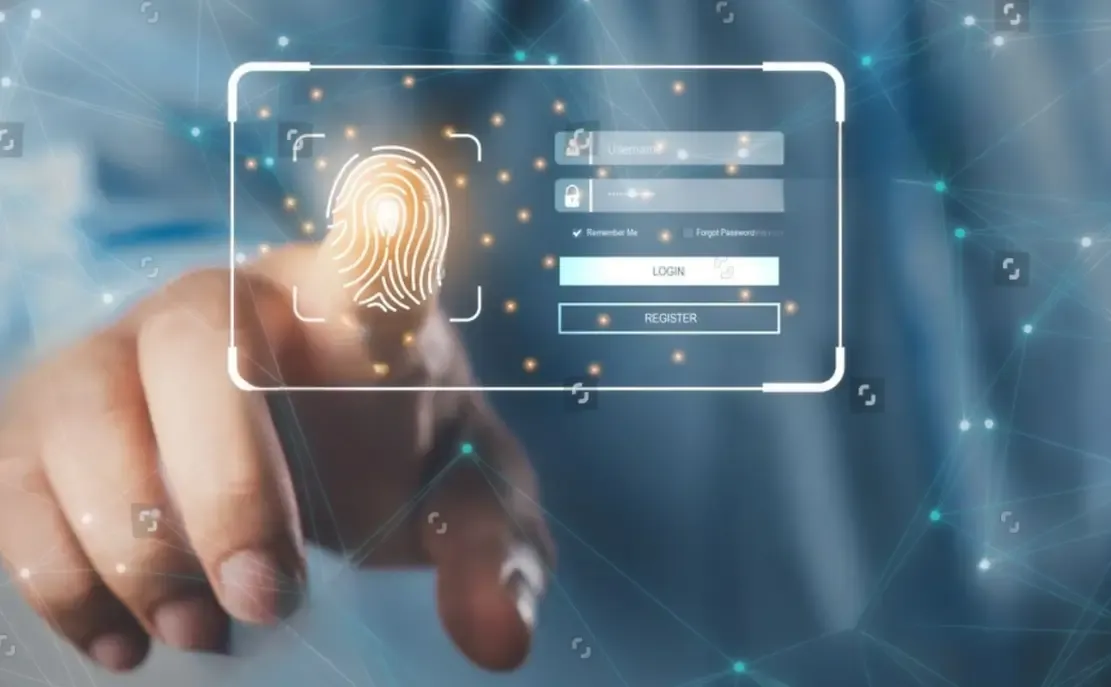
intelligence augmented ip address lookup sales copy?

Every involvement shapes,each adjustment marked,all proceedings noted construct a data pathway.This footprint is revealing characteristics about you, beyond cookie tracking nor straightforward identifiers. Meet browser identification techniques,a method that studies your distinct browser configuration, extensions,software plugins,computing system, in addition to time ip lookup segment to assemble a specific persona – your representation.This invisible label can help marketing agencies,data collectors,and nefarious actors to spot you through portals,individualize promotions,watch web-based actions, or even build detailed profiles of your interests.Being aware of browser signatures is crucial for upholding privacy in the electronic period.
- Understanding fingerprinting details supports informed data protection decisions in web spaces.
- Applying anonymizing options limits perils originating in stealth monitoring.
Hence, noticing your cyber trails and reducing their scope is necessary for privacy security within linked structures.
Covert Peril: Spotting and Alleviating IP Data Leaks
Proprietary assets (property rights) is regarded as a critical resource for organizations. Shielding this essential property against intrusion is indispensable. Still, IP breaches may be insidious, often invisible until extensive destruction ensues. A reliable approach for detecting and preventing IP exfiltration is pivotal. This requires implementing robust precautions to guard sensitive data. Continual security checks assist in finding weaknesses and probable exposures. Moreover, mentoring staff on the necessity of IP defense supports a setting of preparedness, significantly curbing the prospect of information compromises.Studying the Truth Concerning Internet Personas
Moving the wide territory of the net can feel like exploring through a complex of unidentified faces. Every user, classified by a individual IP tag, leaves a electronic trace that can manifest their online behaviour and region. But how trustworthy are these inferences? And what are the ethical considerations of such thorough IP address queries? This study delves into the interesting sphere of IP address scrutiny, uncovering both its powers and perils.
Irrespective if, you're a digital protector, a interested user, or simply worried about online privacy, understanding the mechanics of IP address lookups is required.
- We aim to delve into the functional details behind these examinations, deciphering how they proceed and the details they present.
- Also, we'll discuss the ethical implications surrounding IP address checkups, exploring its benefits and risks.
- At last, we'll arm you with the intelligence needed to navigate the electronic domain effectively and secure your data.
Maintain Your Connections: A Guide to DNS Leak Testing
Within the wide cyber sphere, defending your cyber privacy is imperative. A common loophole often overlooked by users is DNS failures.These exposures arise when your device communicates sensitive DNS requests to unintended hosts, possibly broadcasting your online tracking and regional info to third parties. Performing a DNS leak test is essential to uncover these weaknesses and verify your connections remain guarded.
A DNS leak test embraces sending selected DNS queries and observing the outcomes. Dependable leak-testing utilities scrutinize these signals to establish if any traffic is passed through erroneous nodes.
- Diverse DNS leak test tools are provided on cyber portals.
- Elect solutions that provide complete testing capabilities.
- Apply tests continuously to evaluate your network's protection status.
Implementing best practices and conducting regular DNS leak tests, you can secure your cyber protection and experience a fortified online exploration.
Stealthy Web Tracking| Your Web Activity’s Untold Story
Each time you navigate the cyberspace, a unique identifier is constructed. This approach, defined as browser fingerprinting, tracks your online participation by assessing fine attributes about your platform. It resembles a digital badge that communicates your identity even if you are not signed up.
- Browser fingerprinting employs a large variety of metrics, such as your browser edition, installed typography, screen resolution, and even the modules you maintain.
- This broad collection of data can be gathered into a unique profile that pinpoints your computer with remarkable accuracy.
- The influences of browser fingerprinting range from individualized campaigns to the ability to supervise your online participation without your permission.
As you explore the digital territory, being mindful of this silent tracker is fundamental. By recognizing how browser fingerprinting functions, you can take measures to safeguard your protection.
Is Your Network Identity at Risk?
In the present-day digital landscape, guarding your privacy on the internet is paramount. Yet, are you alert that your IP address, a particular tag assigned to your device, can be unwittingly disclosed? Such an IP leak can threaten your anonymity, rendering you susceptible to various internet attacks. Understanding how IPs function and adopting solid protection methods is indispensable for protecting digital integrity.
- Adopt a trustworthy VPN that shields your internet traffic and masks your IP address.
- Consistently update your software and operating system to repair any loopholes.
- Use discretion when clicking on links or downloading files from unknown sources.
Diving Deeper into IP and Browser Fingerprint Analysis
Within digital surveillance, relying solely on IP addresses offers a confined viewpoint. While IPs provide a basic lead to a user's physical spot, they can be easily disguised. Browser fingerprinting offers a elevated method for recognizing individuals online. Unlike IPs that tend to be relatively static, browser fingerprints provide a unique image based on the numerous settings, extensions, and characteristics pertinent to each user's browser. This complex mosaic of data can disclose hidden details about a user's equipment, operating system, plugins, fonts, and even browsing history.
By examining these small divisions, digital forensics experts can produce a digital fingerprint that serves as a unique identifier for users, even when they try to conceal their IP address. This robust tool has broad applications in sectors such as fraud prevention, targeted marketing, and law enforcement.
The Threats Posed by DNS Leaks
Browsing the web may seem harmless, yet beneath the surface lie probable risks that could jeopardize your privacy and security. One such hazard is DNS leaks, a hidden weakness that allows your electronic traces to be manifested. When a DNS leak happens, your device sends DNS requests over open networks, revealing the websites you visit, even if you use a VPN or other protective measures. This can cause data exposure by malicious individuals, enabling them to monitor your browsing habits, steal confidential information, and potentially gain access to your accounts.
- Be vigilant about DNS leaks by recognizing their functioning and potential issues.
- Employ a solid VPN provider that includes robust DNS leak protection.
- Continuously evaluate your system for leaks to keep your online activities confidential.
Applying defensive methods to mitigate DNS leaks supports your privacy and ensures a better protected online browsing experience.
Exposing Techniques for Successful IP Checks
- Firstly, select a reliable IP lookup tool. Numerous online services and software provide this capability, some even equipped with advanced options like geolocation data and WHOIS information.
- Then, enter the IP address to investigate in the given input area. The tool will then handle information related to that address, offering a full report on its origin, location, and conceivably owner details.
- Ensure to use IP lookup tools lawfully, avoiding misuse or unauthorized intrusion into others' privacy. Use these tools only for legitimate purposes like cybersecurity investigations or site analytics.
Defense against IP Leaks: Best Tools and Practices
In contemporary cyber environment, shielding your intellectual property (IP) is vital. Cyber data losses can cause dire consequences for companies of every scale. To mitigate this risk, organizations must apply strong protocols to keep sensitive data away from inappropriate access.A multi-faceted system is crucial, encompassing technological tools as well as powerful security standards. Security gateways serve as the first line of defense, blocking malicious penetrations. Encryption of data encodes valuable info, preventing unauthorized viewing. Continuous software updates resolve defects that could be exploited by attackers.Beyond technology, cultivating a cautious atmosphere is vital. Employees should be taught on proper handling of confidential data, including strong password management, multi-factor authentication, and identifying phishing tactics. Regular security audits detect weaknesses and open opportunities to enhance defenses.
Enhancing Security: Fighting Browser Fingerprint and IP Vulnerabilities
In today's digital world, safeguarding your network confidentiality is imperative. Even though durable passwords and multi-factor authentication prove essential, they alone cannot offer full protection against ever-evolving threats like browser fingerprinting and IP leaks. Browser fingerprinting is where websites collect unique identifiers about your device setup, essentially creating a digital fingerprint used to track your activity across the web. IP leaks happen when your true IP is exposed unintentionally, putting your privacy at risk. To counter these effectively, explore combinations of strategies.
- Leverage privacy-centered browsers and search engines that emphasize data protection and anonymity.
- Turn on browser extensions that block trackers, cookies, and fingerprinting scripts.
- Research virtual private networks (VPNs) to encrypt your virtual traffic and hide your IP address.
- Continuously update your browser and operating system to remedy vulnerabilities.