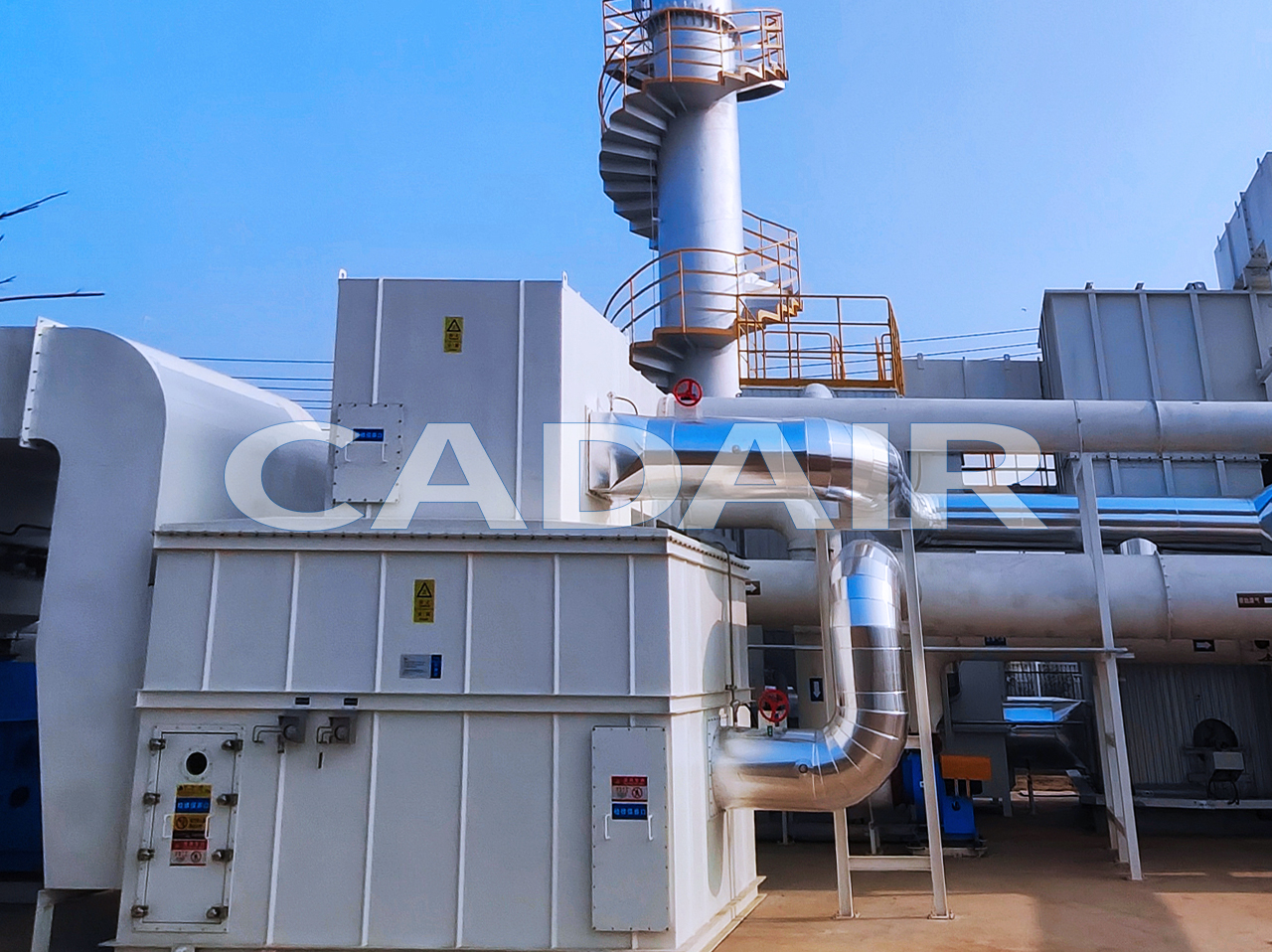
modular configured industrial Thermal Oxidizer units for process gases?
Commencing
Volatile organics cause health risks (Compounds) conditioning human well-being and ecosystem. Customary purification solutions utilize heavy energy consumption and originate unsafe secondary waste. Zeolite cycle devices furnish natural substitutes, yielding excellent VOC grasp through airborne particles. These matrices offer wide surface extents alongside novel voids enabling effective VOC adsorption.
- In addition, zeolite cyclic units recycle, lowering green impact and expenses.
- Accordingly, zeolite rotating techniques proliferate in numerous sector implementations, including industry contaminant treatment, indoor ambient treatment, and industrial water correction.
Adoption of zeolite rotors marks a key shift towards sustainable VOC removal, producing sustainable and monetary rewards.
Thermal Oxidation Regenerators: Top Air Purification
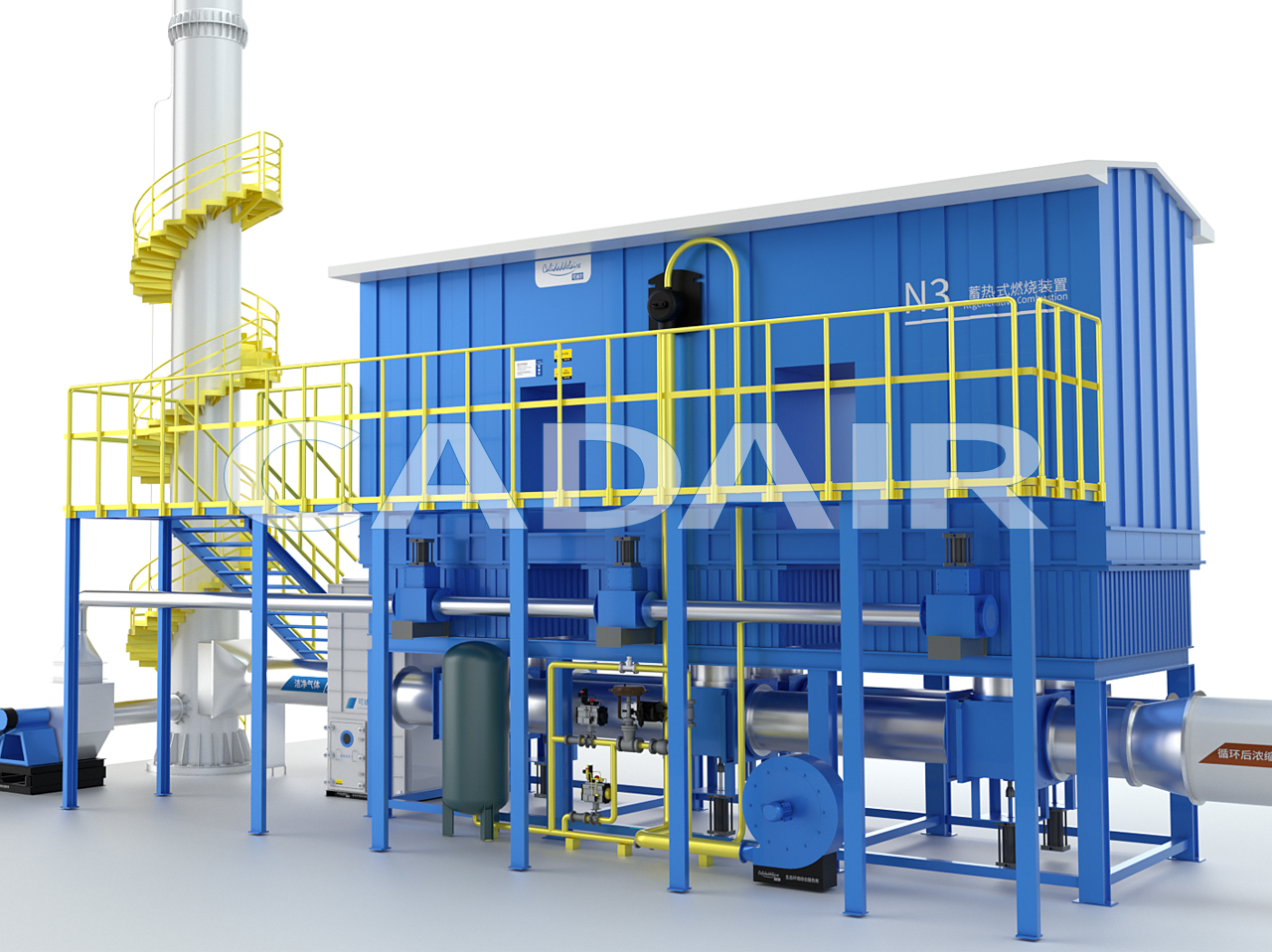
Thermal recuperative oxidizers enable pioneering air refinement. These frameworks operate temperature-driven oxidation of tainted airflow at raised degrees, fully converting harmful substances into safe emissions. The process is energy-saving due to its regenerable heat reuse. They proficiently cleanse air of organics, solid particles, and pollutants. Used widely in various production, medical, and water treatment sectors.Positives encompass airborne cleanliness, ecological care, and expense lowering. Moreover, small footprint and easy servicing render them viable.
Advanced Catalytic Oxidation: Emissions Minimization Techniques
Industrial processes emit harmful gases. Catalytic reaction technologies diminish pollution effects. Catalyst components modify damaging molecules into harmless residues. They speed pollutant breakdown supported by energy savings.
Different catalytic materials address particular goals, including exclusive metals such as molybdenum and tungsten. Appropriate catalyst elaboration required to better destruction. Catalytic reactor design secures effective pollutant contact to elevate catalytic breakdown.
Catalytic oxidation technologies surpass old methods in accuracy. They process designated pollutants maintaining gas integrity. Also, they run cooler lowering operational expenses. Steady improvements optimize emission reduction via catalysis facilitating cleaner processes and healthier environments.
Optimizing Regenerative Catalytic Oxidizer Output
Gaining optimal results entails thorough analysis. Identifying correct catalytic substances matters. Fine-tuning settings like heat intensity and process time elevates performance. Review and feedback processes foster optimization. Ongoing servicing and assessments bolster durability of the system and performance.
Zeolites’ Influence in Regenerative Thermal Oxidizers
Thermal oxidation technologies function primarily curtailing VOC emissions. Zeolite frameworks facilitate pivotal actions by molecular capture and catalyst properties. They selectively trap VOC molecules enhancing oxidation performance. In addition, zeolitic materials stimulate oxidation reducing fuel consumption and advancing efficiency.
- Therefore, application of zeolite elements advances contaminant extraction, power economy, and sustainability.
Comparing Zeolitic and Conventional Catalysts in RTOs
Current catalyst developments motivated juxtaposed reviews of engineered zeolitic substances versus routine catalysts. This evaluation inspects catalyst performance, selectivity, heat endurance, and value. Ultimately assessing zeolite efficacy in completing VOC oxidation in RTOs. The data serve progress toward efficient and sustainable emission control.
- Zeolites, with their porous structure and large surface area, hold promise for catalytic VOC oxidation.
- Standard catalytic compounds mainly metal oxides carry effectiveness and selectiveness flaws.
What's more, reviews analyze temperature settings, residence intervals, and input mixes impacting zeolitic and usual catalysts. This comprehensive approach aids optimization of RTO catalyst selection and operation to maximize VOC removal and minimize energy use.
Modeling and Simulation of Regenerative Catalytic Oxidizers
Refined catalytic breakdown systems manifest intricate configurations addressing toxin-laden gases. These systems instigate catalytic transformations breaking down hazardous materials liberating heat byproduct. This operational complexity calls for dependable modeling approaches zeolite rotor enabling improvement and design. Digital simulations facilitate estimating vital performance metrics amid diverse environment changes. Besides, modeling investigations highlight constraints aiding advancement of robust regenerative oxidizers.Evaluating Thermal and Catalytic Oxidation: Picking Proper Methods
Electing effective oxidation systems calls for thorough judgment. Heat-driven or catalyst-enabled oxidation show different assets and disadvantages. Heat-based oxidation depends on high thermal input triggering chemical conversions. Catalytic ignition fosters chemistry within lower heat ranges. Choice depends on efficiency, cost, and target substrates.
- High-temperature oxidation typically secures stronger pollutant removal at energy cost
- Catalytic oxidation runs cooler reducing operational expenditure and emissions
Deep process insight aids identifying best oxidation methods. Seeking professional advice improves choices harmonizing efficiency with environmental stewardship.
Zeolite Rotor-Based Air Purification
Zeolite spin device applications prove useful for gas emission control across factory and vehicle industries. Formed from organized zeolitic materials, rotors bind emissions via contact-based, chemical, or electrostatic forces. Rotational operation delivers consistent and high-level emission suppression. Diverse zeolite types configure for targeting carbon monoxide, nitrogen oxides, and volatile compounds, making this technology customized, malleable, and generalized for extensive environmental applications.
- Supplementary, this technology outperforms standard emission mitigation solutions, including:
- Lessened power utilization.
- Space-saving architecture.
- High removal efficiency.
Relentless innovation and technical studies reinforce zeolite rotor deployment, advancing green technology adoption universally.
Regenerative Oxidizer Case Reviews: Proven Outcomes
Within the maturing oxidation market, regenerative oxidizers demonstrate their efficient and decisive solutions. Their potential to convert pollutant emissions into economic assets commands wide notice.
- A distinguished case study presents regenerative oxidizer decreasing industrial toxins at a chemical site achieving important impurity lowering and demonstrating environmental benefit potential.
- Another top application lies in electricity supply where regenerative oxidizers augment combined heat and power tech enabling successful and eco-friendly generation of energy from organic materials offering sustainable replacement of carbon fuels.
These demonstrations exhibit regenerative oxidizers’ diverse applicability and strong efficiencies. Sustained innovations foresee next-generation applications for this promising technology in upcoming years.
Pioneering Air Purification: Zeolites Integrated with Regenerative Units
Considering surging global pollution burdens, new solutions become urgent. Pioneering tactics depend on zeolite-enhanced recyclable purification technologies. Appreciated for fine adsorption and configurable pore structures, zeolites sequester pollutants effectively. Paired with recyclable systems, they enable continual contaminant removal and recovery minimizing waste and promoting sustainability. These integrated technologies deliver effective remedies managing broad pollution concerns spanning manufacturing releases, vehicle outflows, and interior environment. In addition, on-going innovation develops zeolite synthesis and recyclable technologies, fostering enhanced and adaptable air cleaning frameworks.
- Innovative Zeolite Configurations
- Environmentally Conscious Process Development
- Future Impact on Air Quality Control