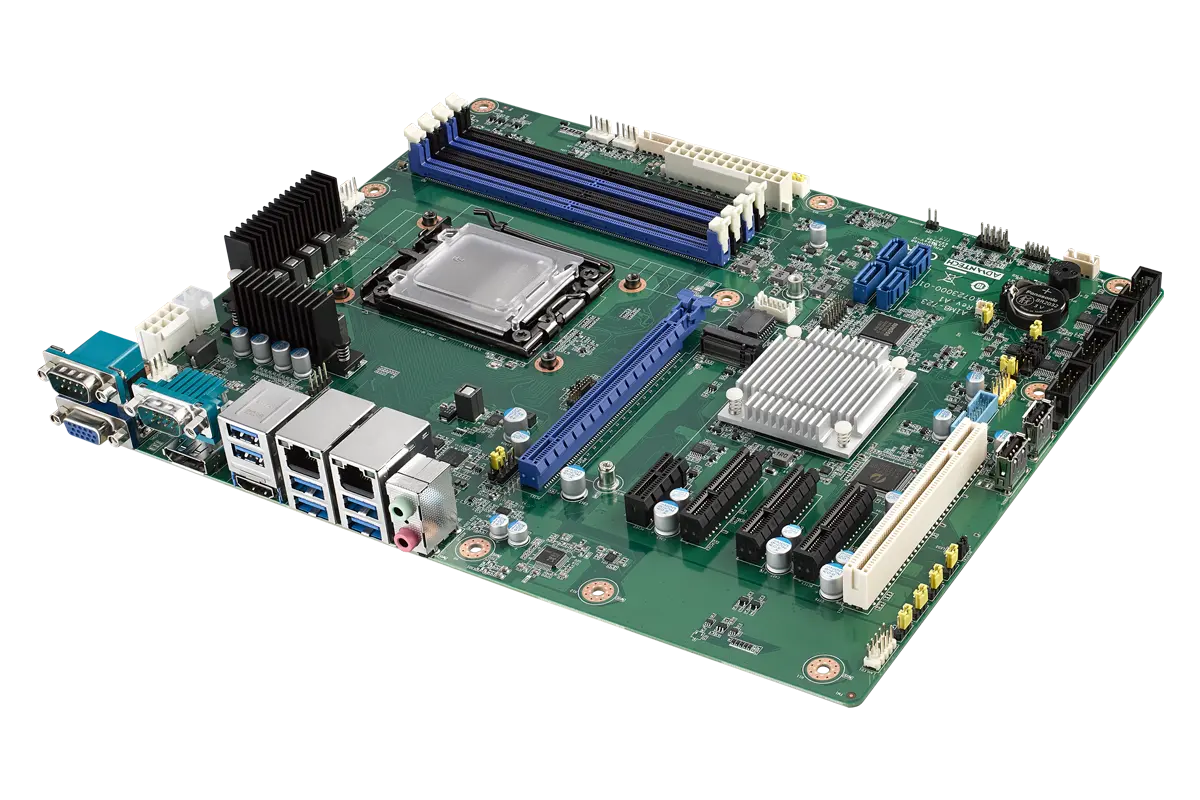
Questioning embedded device lifecycle Are embedded network throughput characteristics better in x86 or arm boards
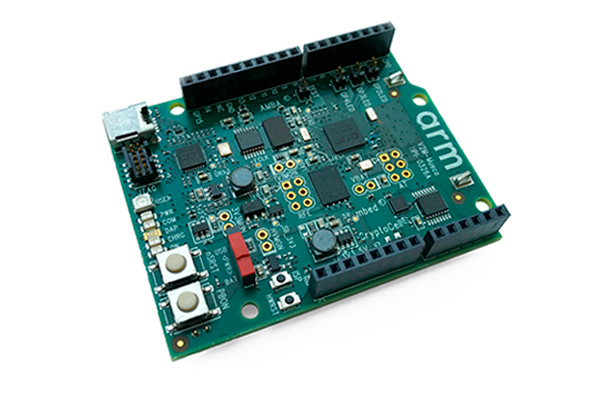
Over the past eras, the software ecosystem has been governed by two major models: x86 and ARM platforms. Each architecture carries its specific assets, leading to a ardent battle for consumer base. While x86 as the long-standing model, has long held the crown in desktop and server markets, ARM's advancement has been momentous.
The efficiency edge of ARM, coupled with its pliability, has made it a leading choice for nomadic devices and ingrained systems. However, ARM is now striving to conquer new zones, including notebook computers and server farms. The intent has sparked reactions from traditional x86 magnates, who are countering with advanced creations to maintain dominance.
- Primary discrepancies in frameworks shape hardware behavior, power consumption, and overall system design.
- The emerging standards of purchasers are driving the demand for more efficient computing solutions.
Ultimately, the battle between ARM and x86 is a dynamic and ever-shifting landscape, with both platforms continuously evolving to meet the demands of a rapidly changing world. The outcome of this race remains to be seen, but one thing is certain: the future of computing will be shaped by the innovations and advancements of these two titans.
best x86 sbcComparing ARM and x86 for Processing Power
In the ever-evolving landscape of computing, selecting the superior processing structure can be a complex assignment. Two titans dominate the market: ARM and x86. Both offer compelling qualities, but their performance peculiarities diverge significantly. This profound analysis delves into the nitty-gritty of each architecture, empowering you to make an informed decision.
- Performance
- Power Consumption
- Cost
We will examine test results, real-world use cases, and the advantages of each architecture, helping you discover which platform best suits your needs.
Rationale for ARM Leading x86 in Embedded Applications
ARM units maintain leadership in embedded apparatus areas. This growth stems from various crucial elements. First, ARM's structure is fundamentally resource-saving, making it ideal for devices with limited power budgets. Second, the ARM ecosystem offers a massive and lively consortium of developers and hardware partners, providing ample support and progress. Finally, ARM's licensing model allows customization for customized objectives, leading to a wide range of alternatives. These factors have merged in securing ARM as dominant for countless embedded devices, from smartphones to smartwatches and even industrial control systems.
Elite x86 SBC Selections for Advanced Users
Electing the finest x86 SBC demands analysis, especially when you're a advanced technician. You need a device that can withstand intensive tasks, offer effective operation, and provide a platform for high-load activities.
- Numerous aspects affect the ideal SBC selection, including processing power, RAM capacity, storage options, connectivity features, and community support.
- For reliable advanced technicians, a board with a robust CPU akin to Intel i5 or AMD variant is essential.
- Together with enough RAM and rapid data options requirement for smooth and efficient operation.
Don't just settle for an SBC that meets minimum requirements; invest in a platform that can totally strengthen your ambitions.
A Comprehensive Overview of x86 SBCs
Understanding affordable x86 single board tech opens new horizons. These robust units present extensive features for makers. From building digital homes to software ecosystems, x86 SBCs provide a dynamic, affordable ground for experimentation. This guide will provide insights into the flourishing x86 SBC sector, bringing to light qualities of these exceptional components.
- Investigate background and role of x86 SBCs within technology progress.
- Review known x86 SBC configurations, factoring specs and target users.
- Learn essential hardware components that comprise an x86 SBC system.
- Investigate application stacks and OS platforms supporting x86 SBCs.
- Highlight groundbreaking initiatives using x86 SBCs through numerous domains.
Emergence of ARM in Personal Computer Sectors
Even though commonly identified with mobile electronics, ARM architecture is steadily making inroads across laptop hardware sectors. Several factors contribute to this movement, including the increasing demand for energy-efficient computing and the growing popularity of cloud-based applications. Brands such as Apple deploy ARM technology in their MacBook series, demonstrating the potential for high productivity. This trend is further fueled by the development of new designs specifically tailored for desktop workloads. As these innovations mature and become more widely available, we can expect to see ARM's presence grow considerably over the coming years along personal machine domains.
Selecting Between x86 and ARM To Match Your Computing Demands
As you pick a machine, two prominent CPU structures stand out: x86 and ARM. Both offer distinct capabilities, making the decision a matter of coordinating your needs with the right platform.
The veteran x86 model is famous for powerful output alongside extensive application availability It commands in desktops, laptops, and workstations, particularly for demanding tasks like gaming or video rendering. ARM, on the other hand, underscores energy efficiency and a compact design. This enables it ideal for mobile devices, embedded systems, and increasingly, online service centers.
- Reflect on your foremost performing task: Are you a gamer? Do you need raw power or refined energy consumption?
- Examine software running ability on various models. Not all applications are available on both platforms.
- Account for pricing and device access depending on CPU style.
Minor but Potent Mainstream ARM Boards
SBC arena flourished lately, with ARM architectures preferred for performance and conservation. These compact machines pack a surprising punch, offering incredible capabilities within a compact footprint. For hobbyists, makers, and even professionals, ARM-based SBCs provide a potent platform for everything from learning about electronics to building fully functional projects. Whether you're looking for a budget-friendly option or a high-performance powerhouse, there's an ARM-based SBC out there to meet your needs.
- Dive with us into front-runners across this blossoming field!
Contrasting ARM and x86 Throughput Benchmarks
Contrasting ARM with veteran x86 structures on benchmarks shows interesting findings. While x86 has traditionally prevailed in computing muscle, particularly for laborious operations, ARM platforms have been steadily closing the gap, especially in areas like mobile performance and energy efficiency. The recent surge in popularity of ARM-based chips supporting mobile and personal computers further fuels this race. It's important to note that benchmark results can be determined by diverse elements, including the specific sample assessed, program strain, combined with control software. Therefore, it's crucial to study results considering conditions outside plain data.
Are ARM Chips Overcoming x86 as Default Architecture
The hardware landscape consistently moves, and one of the most intriguing trends we're witnessing is the rise of ARM architecture. While x86 has long influenced the market, ARM's resource-saving traits win broader support. This has led to considerations that ARM potentially supersede x86 as the dominant architecture.
- Numerous causes drive this trend: ARM's ability to save energy suits mobile tech, ultrabooks, plus data center platforms.
- Additionally, ARM's royalty-free nature encourages collaboration among partners, resulting in a wide range of ARM-based chips.
Still x86 upholds dominant industry status. Key players invest extensively in x86 progress, and long-standing installations stay usable indefinitely.
In conclusion it remains uncertain if ARM will completely overtake x86. The computational future involves collaboration between ARM and x86, with each playing its part in different market segments.
Vision of ARM and x86 Fusion in Processing Power
The computing field has undergone significant shifts. Once distinct architectures, ARM and x86 are now on a collision course, converging to reshape the future of processing power. This convergence delivers innovative prospects for developers and consumers alike. ARM's energy efficiency and compact design have made it the dominant force in mobile devices, while x86 has long reigned supreme in desktops and servers. However, the separation is diminishing, driven by factors such as the increasing demand for mobile computing and the rise of cloud services.
- Such fusion may generate assorted computing solutions, powered by hybrid architectures that deploy features of ARM and x86 combined. This could result in higher-performing mobile gadgets with enhanced energy storage alongside economical servers.
- Besides inventors welcome diversified development utilities, enabling them to create innovative applications that surpass conventional thresholds. The future of computing is bright, with ARM and x86 convergence playing a pivotal role in shaping the next generation of technology.