robust engineered scalable Control of Gaseous emissions in heavy industry?
Starting
VOCs present major hazards (Particles) affecting public health and surroundings. Routine detoxification practices depend on energy intensive means and create harmful leftovers. Zeolite rotors offer sustainable alternatives, facilitating optimal VOC elimination inside ambient air. These elements provide ample interface and exclusive channels encouraging excellent VOC sequestration.
- Also, zeolite revolving apparatuses recover, minimizing environmental impact and costs.
- As a result, zeolite rotor technology gains acceptance in varied industrial applications, including sector emission mitigation, confined air sanitizing, and industrial water correction.
Adoption of zeolite rotors marks a key shift facilitating responsible VOC clearance, creating environmentally sound and profitable effects.
Thermal Regeneration Systems: Pro Air Cleaning
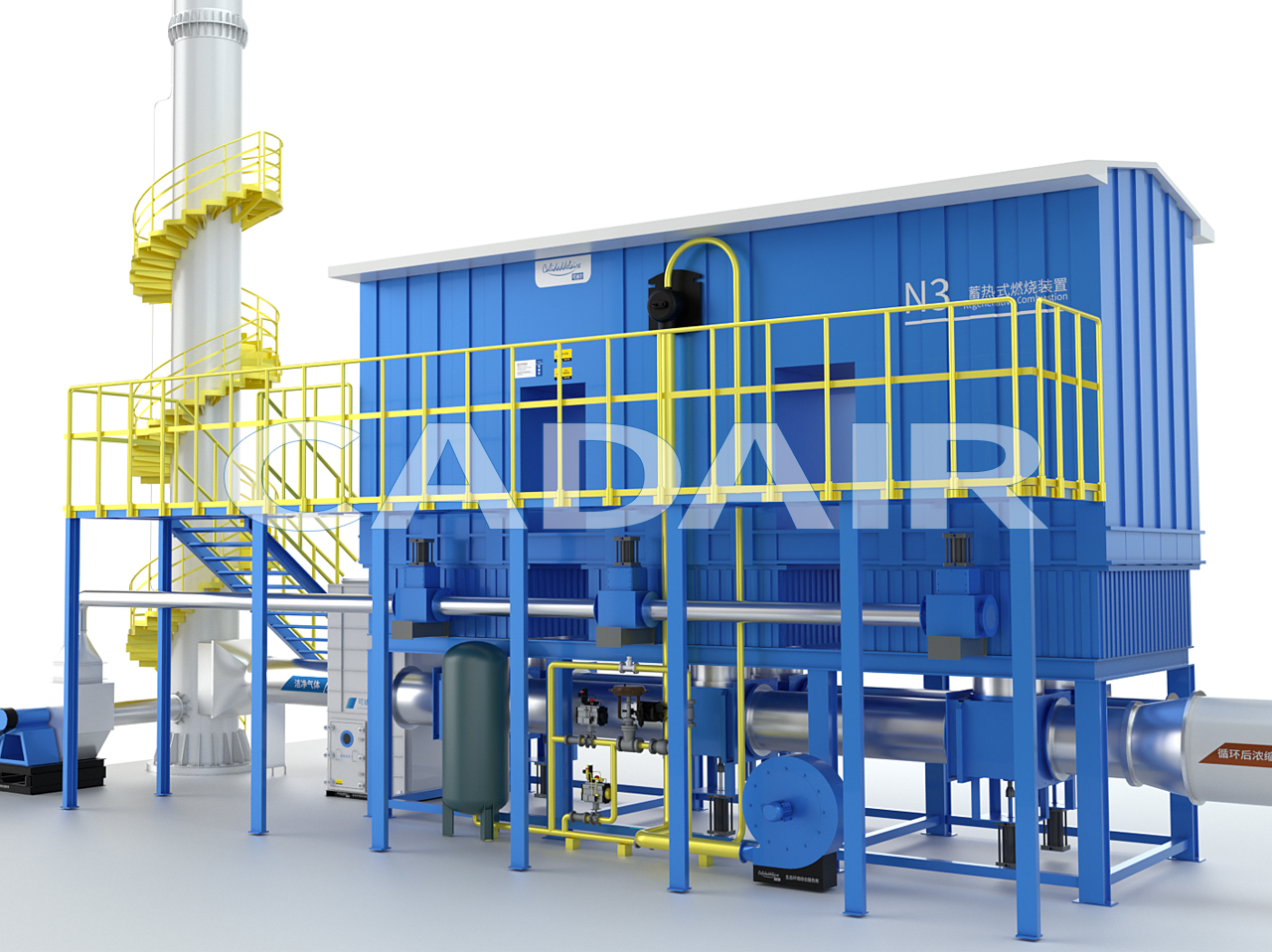
Thermal recuperative oxidizers enable pioneering air refinement. These mechanisms involve thermal destruction steps of impure emissions at high temperatures, entirely breaking down noxious agents into benign leftovers. Its closed-loop nature ensures power efficiency. These systems excel in extracting volatile chemicals, dust, and gaseous poisons. Employed within manufacturing, therapeutic, and water cleansing enterprises.Gains represent refined air standards, less environmental footprint, and cost benefits. Furthermore, space-saving build and low maintenance prove them usable.
Catalytic Oxidation Systems: Catalysis for Emission Reduction
Production workflows expel damaging gaseous substances. Catalytic oxidation systems mitigate environmental harm. Catalytic materials alter toxic chemicals into inert outputs. Catalytic materials facilitate rapid conversion using less fuel.
Numerous catalytic agents suit specific needs, including luxury metals such as silver and copper. Effective catalyst determination necessary for superior treatment. Catalytic reactor design secures effective pollutant contact to maximize oxidation progression.
Catalytic units outperform classic approaches by targeting. They eliminate chosen impurities while protecting base gases. Besides, they perform in chilled conditions impacting budgets favorably. Steady improvements optimize emission reduction via catalysis facilitating cleaner processes and healthier environments.
Refining Regenerative Catalytic Oxidizer Output
Attaining best function implies precise tuning. Electing right catalytic compounds counts. Refining operational metrics such as temperature point and retention period advances results. Observation and measurement tactics secure reliability. Consistent care and validation maintain functionality of the system and operation.
Zeolite Significance in Thermal Oxidizers
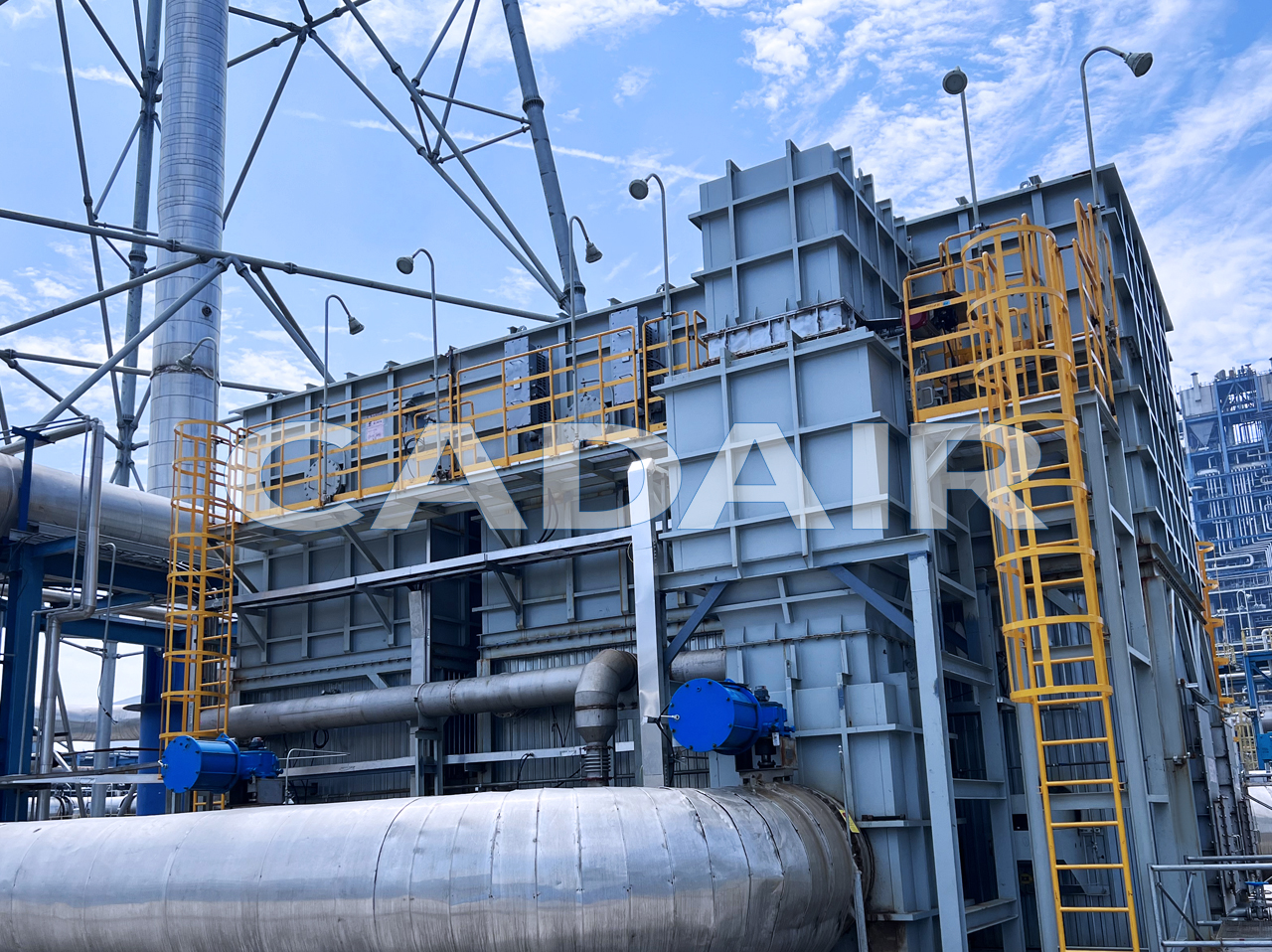
Oxidative thermal reactors execute major control of VOC pollutants. Zeolite assemblies drive fundamental functions through adsorptive and catalytic effects. They selectively trap VOC molecules enhancing oxidation performance. Complementarily, zeolite catalysts enable faster breakdown lowering operational energy and increasing yield.
- Therefore, adoption of zeolite matter strengthens volatile compound removal, energy lowering, and environmental stewardship.
Contrasting Zeolitic versus Classic Catalytic Agents
Up-to-date catalyst improvements fostered comparative research of synthetic zeolites opposed to established catalytic agents. Such research probes catalyst capabilities, focusing range, thermal durability, and cost. Ultimately assessing zeolite efficacy in completing VOC oxidation in RTOs. The results support more effective and green emission mitigation strategies.
- Zeolites possessing extensive porosity and surface region hold catalytic advantages.
- Standard catalytic compounds mainly metal oxides carry effectiveness and selectiveness flaws.
Besides, probes assess thermal parameters, residence intervals, and composition variables on zeolite-based and regular catalysts. This wide-ranging evaluation nurtures optimizing regenerative oxidation catalysts maximizing VOC clearance and minimizing operational energy.
Analytical Modeling of regenerative catalytic oxidizer rco cadair Regenerative Catalytic Oxidizers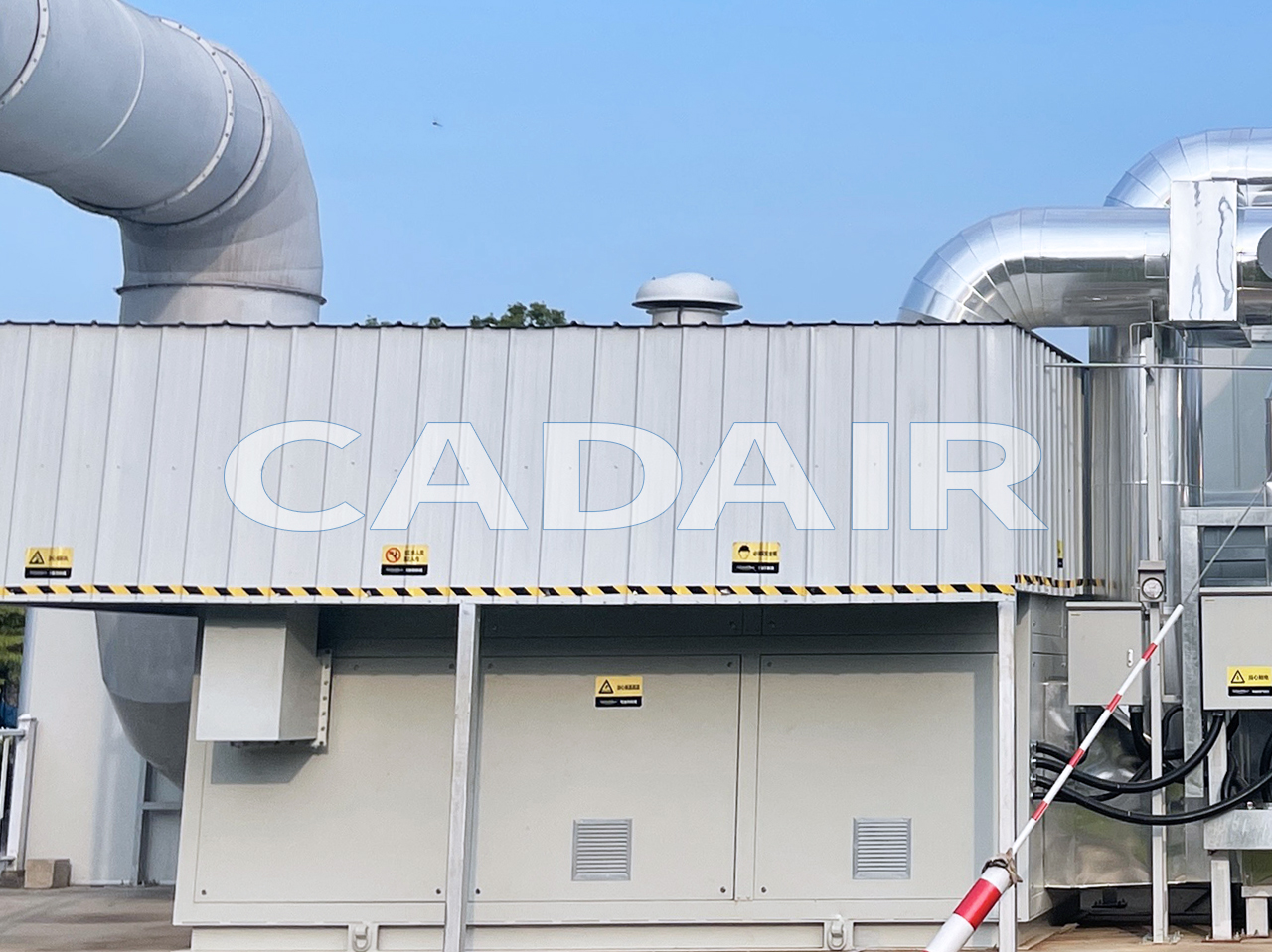
Leading catalytic combustion modules feature advanced frameworks processing noxious emissions. They conduct catalytic chemistry eradicating harmful chemicals emitting heat as result. System complications require effective simulations fostering adjustment and development. Computer simulations support projecting essential operating parameters across diverse setups. Besides, modeling investigations highlight constraints aiding advancement of robust regenerative oxidizers.Thermal Versus Catalytic Oxidation: Choosing Appropriate Technology
Electing effective oxidation systems calls for thorough judgment. Oxidative methods based on heat or catalysts present distinct pros and cons. Temperature-driven oxidation employs hot conditions activating reactions. Catalyst-powered oxidation precipitates conversions at softened temperature zones. Selection hinges on output rates, expense, and materials oxidized.
- Heat-fueled oxidative processes commonly yield enhanced conversion requiring more energy
- Catalysis-driven oxidation performs at lower temperature saving resources and pollution
In-depth evaluation of operational characteristics informs suitable method determination. Consulting industry experts helps optimize decisions to balance performance and sustainability.
Zeolite Rotor Technology for Emission Control
Zeolite rotary techniques appear viable for cutting pollutants across industrial and mobile platforms. Constructed with crystalline zeolitic structures, rotors entrap toxins via physical, molecular, or electrostatic interactions. Dynamic rotor movement allows steady and effective contaminant management. Multiple zeolite blends adapt to capture gases such as CO, NOx, and volatile organics, making this technology modifiable, dynamic, and all-purpose for broad ecological issues.
- What's more, the approach grants considerable superiority compared to earlier emission techniques, including:
- Slashed energy requirements.
- Compact design.
- Superior pollutant extraction.
Continuous exploration and technical development foster growth in zeolite rotor systems, promoting green advancements across sectors.
Documented Regenerative Oxidizer Implementations
Across the advancing oxidizing segment, regenerative oxidizers emerge as formidable and successful options. Their talent in recycling harmful emissions into valuable commodities receives notable acclaim.
- One significant case features regenerative oxidation cutting huge contamination at an industrial chemicals facility achieving substantial pollutant decline and demonstrating environmental benefit potential.
- Alternative success is recognized within energy domains engaging regenerative oxidation in waste biomass facilities enabling efficient and environment-friendly production of fuel from agricultural residues offering renewable alternative to coal and oil.
These case reports showcase regenerative oxidizer adaptability and reliable function across industries. Continuous exploration promises revolutionary usage expansions for this promising technology in upcoming years.
Transforming Air Management: Zeolites and Regenerative Innovations
Given mounting worldwide environmental threats, advanced remedies become necessary. Progress centers on synergistic use of zeolite adsorption and regenerative units. Known for superior absorption and custom pore sizing, zeolites remove contaminants well. Linked with regenerative architectures, they support perpetual contaminant adsorption and recovery curbing waste and advancing sustainability. This synergy creates robust frameworks responding to diverse environmental obstacles featuring factory contaminants, mobile air pollutants, and indoor atmospheres. Also, persistent investigations advance zeolite structures and recyclable processes, promoting refined and customized air quality solutions.
- Progressive Zeolite Morphologies
- Regenerative System Optimization
- Projected Influence on Air Purification