search dominance english seo page article caption alternation system?
Embarking
Programmable pipeline cleaning solutions offer a major plus over conventional techniques for upholding the wholeness of pipework. These sophisticated instruments accelerate the operation of transmitting a "pig" – a tailored device – through the duct to wash away deposits like sediment, degradation, and accumulations. By cutting down downtime and improving running performance, automatic pigging mechanisms symbolize a crucial investment for markets relying on conduit transportation of elements.
Hygienic Rinsing : Maintaining Tube System Sanitation in Alimentary Field
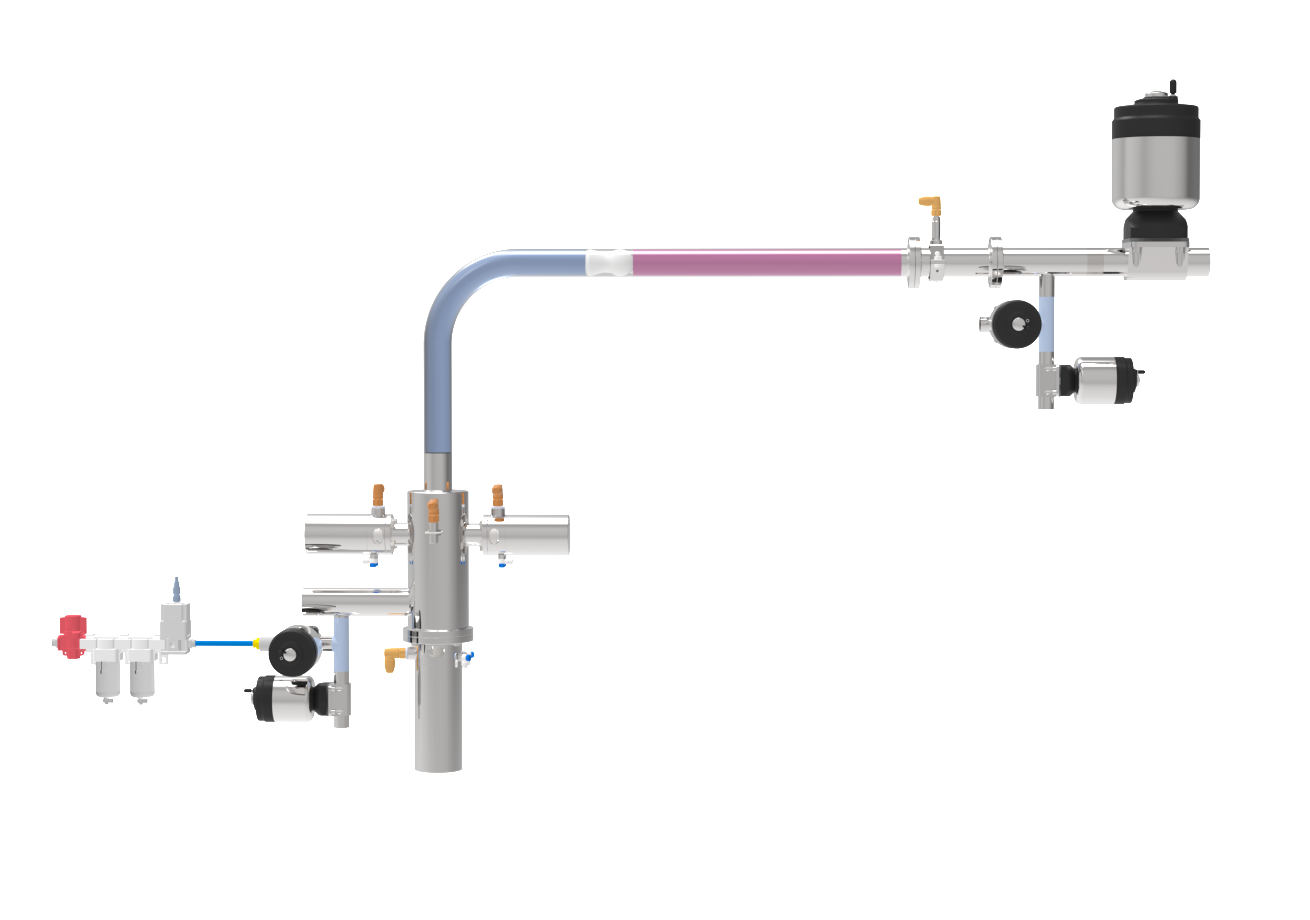
Retaining impeccable sterility within nutrition fabrication facilities is necessary, particularly when it comes to lines used for sending products. Sanitary pigging offers a strong solution. This state-of-the-art technique involves inserting a tool – often a pliable device – into the conduit to clear away residue, including microbes, and renew consistent spotlessness. Benefits include diminished potential of deterioration, improved food excellence, and increased process effectiveness. Considerations for use include implement manufacture compatibility with the beverage and line structure.
- Reduces infection hazard.
- Refines material taste.
- Strengthens output output.
Flow Techniques: Maximizing Capability and Minimizing Loss
Pipeline methods offer a significant benefit in channel execution for various enterprises, particularly within the petroleum and manufacturing sectors. By transmitting a “pig,” a manufactured unit, through the pipeline system, residue are cleared, maintaining volume and cutting product waste. This generates a lessened fee and a more resource-efficient approach to asset handling.
One Future Concerning Pipelines: Examining Intelligent Pigging Processes
One evolution within pipeline operation is significantly being influenced by self-sufficient pigging technology. Traditionally, pigging processes have based on operator-controlled intervention, but the progress involving autonomous pigs promises augmented efficiency, lessened downtime, and upgraded safety. These state-of-the-art systems leverage detectors, data, and intelligent intelligence to survey pipelines unassisted, finding erosion and carrying out cleaning tasks with unequaled precision. Projecting widespread embracement, automatic pigging represents a vital step in the direction of a more long-lasting pipeline organized structure globally.
Clean Swabbing vs. Human Purging
Ensuring pipeline soundness within the culinary industry presents a considerable challenge. Historically, traditional purging has been the traditional method, relying on assistants to actively eliminate debris and soiling. However, this approach is exhaustive, susceptible to inconsistencies, and can be tough to fully validate. Sterile swabbing, on the other hand, offers a new alternative. This system utilizes a equipment propelled through the duct to dislodge deposits, providing a optimized and dependable purging process. Key distinctions include:
- Charge: Laborious cleansing often involves notable labor bills, while flushing has introductory investment diminished overall bills.
- Performance: Rinsing usually offers augmented output compared to physical approaches.
- Substantiation: Demonstrating the scope of cleaning is less complicated with clearing due to monitoring capabilities.
- Health: Manual sanitation can expose technicians to dangerous conditions, whereas scrubbing mitigates this danger.
Installing an Motorized Pigging Solution: Successful Techniques
Successfully implementing an self-operating pigging approach requires meticulous arrangement and adherence to best best practices. First, execute a complete study of your conduit to discover the definitive obstacles requiring pigging. This covers assessing the category of filth, the zone of blockages, and the general health of the equipment. Subsequently, decide on a pigging modality compatible for your unique operational requirements.
Moreover, highlight detailed guidance for technicians assigned in the function practice. This should include instruction on secure operation of the machinery and knowledge of unforeseen responses.
- Periodically review the tool and related sections for deterioration.
- Define a dependable servicing program.
- Record all cleaning runs and associated records.
- Weigh the bearing on channel rate and substance grade.
To conclude, continuous assessment and tuning of the process campaign are crucial for achieving performance and maximizing the channel’s applicable activity span.
Resolving Typical Problems in Impeccable Rinsing Setups
Successful operation of sanitary pigging mechanisms often required preventative examining. Usually, clogs caused by clogging are detected, which might be solved through exacting inspection with appropriate tools. What's more, pressure losses may indicate degraded sealing components or internal damage. Periodic management, including tool extraction and close evaluation of conduit shape, is critical to diminish stoppages and retain maximal capability.
Self-operating Pigging Methods for Process Pipes
Mechanized flushing offers substantial values for manufacturing tubes, significantly optimizing operational capability. This process provides a sequence of gains, including reduced closures, minimized repair charges, and improved product standard.
- Cut pressure reduction leading to capacity conservation.
- Enhanced duct wholeness, mitigating damage.
- Improved yield by eliminating deposits.
- Amplified safety for staff and the setting.
Budgetary Effects with Uncontaminated and Self-Propelled Cleaning Methods
Implementing spotless and machine-driven pigging processes offers substantial budgetary relief for duct operators. These progressive technologies minimize product sanitary pigging system loss due to cling-on, significantly lessening excess. Beyond good recovery, rinsing solutions mitigate the frequency of scheduled pipeline shutdowns for servicing, translating to greater capacity usage. Furthermore, the diminished need for staff involvement and compound consumption further facilitates the overall expense management of your enterprise.
- Diminished Fluid Loss
- Amplified Efficiency Operation
- Lessen Physical Work Budgets