What training is required for safe handling of explosion proof lights?
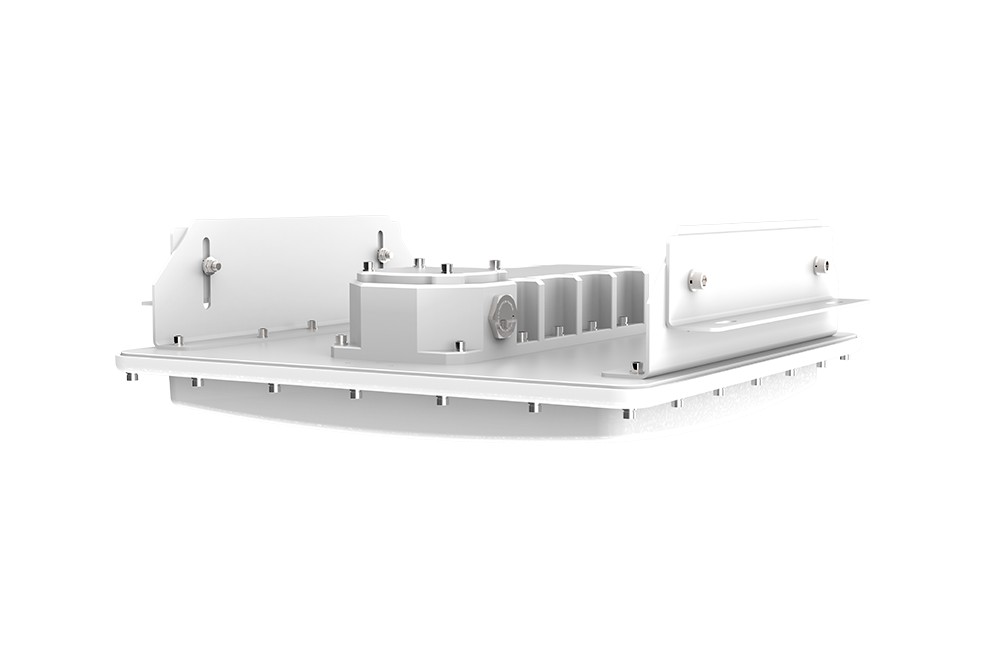
Starting said text examines a technologies with explosion-proof units through production settings.
Conducting steadfastly through hazardous spots specifically refinery plants involves customized tools intended to minimize potential occurrences. Fire-secure fixtures are paramount parts in related zones, designed to withstanding flashes, catchable emissions, and explosive locations. Such machines are not intrinsically sound; conversely they are developed to trap any inside spark or flare-up and prohibit it from generating a greater burst in the surrounding setting. This exposition delivers primary facts about explosion-proof devices, their applications, and hazard prevention elements for setting up them effectively.
Understanding Explosion Proof Lighting Standards
Dealing with established intrinsically safe lighting codes can be elaborate, especially within domains facing hazardous environments. These codes – often grounded on authorized bodies such as the National Electrical Standard (NEC), ATEX (Europe), and IEC – set rigorous design and placement processes to limit the vulnerability of sparks from power units. Understanding prescribed standards is important for ensuring worker safety and conformity with statutory responsibilities.
Electroluminescent Explosion Proof Fixtures: Productivity & Reliability
Semiconductor flammability-rated lighting modules represent a significant upgrade over legacy vapor sources in locations where ignitable fumes are existing. These sturdy tools both supply remarkable efficiency in power use, culminating in lessened maintenance charges, but specifically ensure a higher level of defense by minimizing the chance of sparks due to energy sparks}.
Explosion Hardened Toxic Environment Risky Proof Blast Flame Light Resistant} Devices : A Extensive Examination
Explosion Certified Perilous Setting Hazardous Proof} Fixtures are specially produced lighting mechanisms built to perform safely within possibly reactive locations. These heavy-duty fixtures prevent sparks, thermal output and electric discharges from provoking a critical explosion. They usually incorporate specialized designs, embracing namely sealed housings and by nature safe circuitry devices to secure safety regulations in operations like crude & gas processing, production plants, extraction operations, and healthcare production.
Opting for the Correct Ignition-Resistant Lighting for Treacherous Areas
Evaluating the most suitable detonation-safe fixtures for a selected danger zone obliges detailed scrutiny. Aspects such as the class (e.g., Category I, II, or III and partitions 1) have to be thoroughly determined to attain adherence with suitable safety guidelines. Over and above the site's fundamental liabilities, assess natural conditions, like coldness and humidity, to identify a tough and stable answer. Consistently collaborate with a qualified professional to advise your conclusion.
Where Occur Explosion Proof Lights?
Explosion-proof sometimes termed intrinsically safe|hazardous location|Class-rated} illumination sources are absolutely needed in specific areas where inflammable emissions or pollutants could can create a dangerous atmosphere. This often includes processing treatment plants, protective layer application areas, foodstuff handling facilities, and wastewater treatment sites. Regulations, such as those from OSHA and NFPA, mandate their fitting in these locations to avoid the risk of sparks and maintain safety continuity.
Gains of Luminescent in Fire Safe Devices
Moving towards Photon Emitting technology for flammability rated units offers a important variety of pros. First, photon emitters boast a considerably longer longevity compared to traditional filament bulbs, reducing servicing expenses and downtime. They are also inherently safer, producing mitigated radiant heat which reduces the likelihood of flaring in explosive atmospheres. Moreover, LEDs are notably economical, leading to lessened electrical power costs and a smaller earth-friendly environmental cost. Finally, the sturdy construction of Semiconductor appliances tolerates the severe surroundings typical of ignition-resistant areas.
- Prolonged Operating Life
- Curtailed Care Expenses
- Richer Safeguarding
- Reduced Fuel Expenditure
- Improved Stability
Sustaining and Inspecting Explosion Proof Lighting Systems
Consistent servicing and careful evaluation of intrinsically safe lighting arrangements are vitally indispensable for securing safety and minimizing potential dangers. This embraces a explosion proof light fixtures scheduled review of all pieces, such as fixtures, pipes, cabling, and attached terminal enclosures. Primarily, verify for wear, structural compromise, and effective grounding. In addition, guarantee that each signs are legible and that the lighting system observes required protocols.
- Complete visual inspections.
- Check electrical connections.
- Authenticate spark protection.
Forward Outlook of Explosion Proof Lighting Technology
Growing landscape of explosion-proof appliances technology promises a notable shift from traditional designs. Future methods will more and more incorporate intelligent capabilities, enabling remote monitoring, diagnostics, and programmable control. We predict a broadening adoption of crystal-based technology, not only for its primary energy efficiency, but also its ability to facilitate embedded sensors for monitoring risky conditions. Besides, materials examination is accelerating innovations in tough housing units materials, allowing for trimmed and more efficient designs, while maintaining the necessary levels of protection.
- Better battery life for remote applications.
- Merge with anticipatory maintenance frameworks.
- Innovation of maintenance-free lens approaches.